
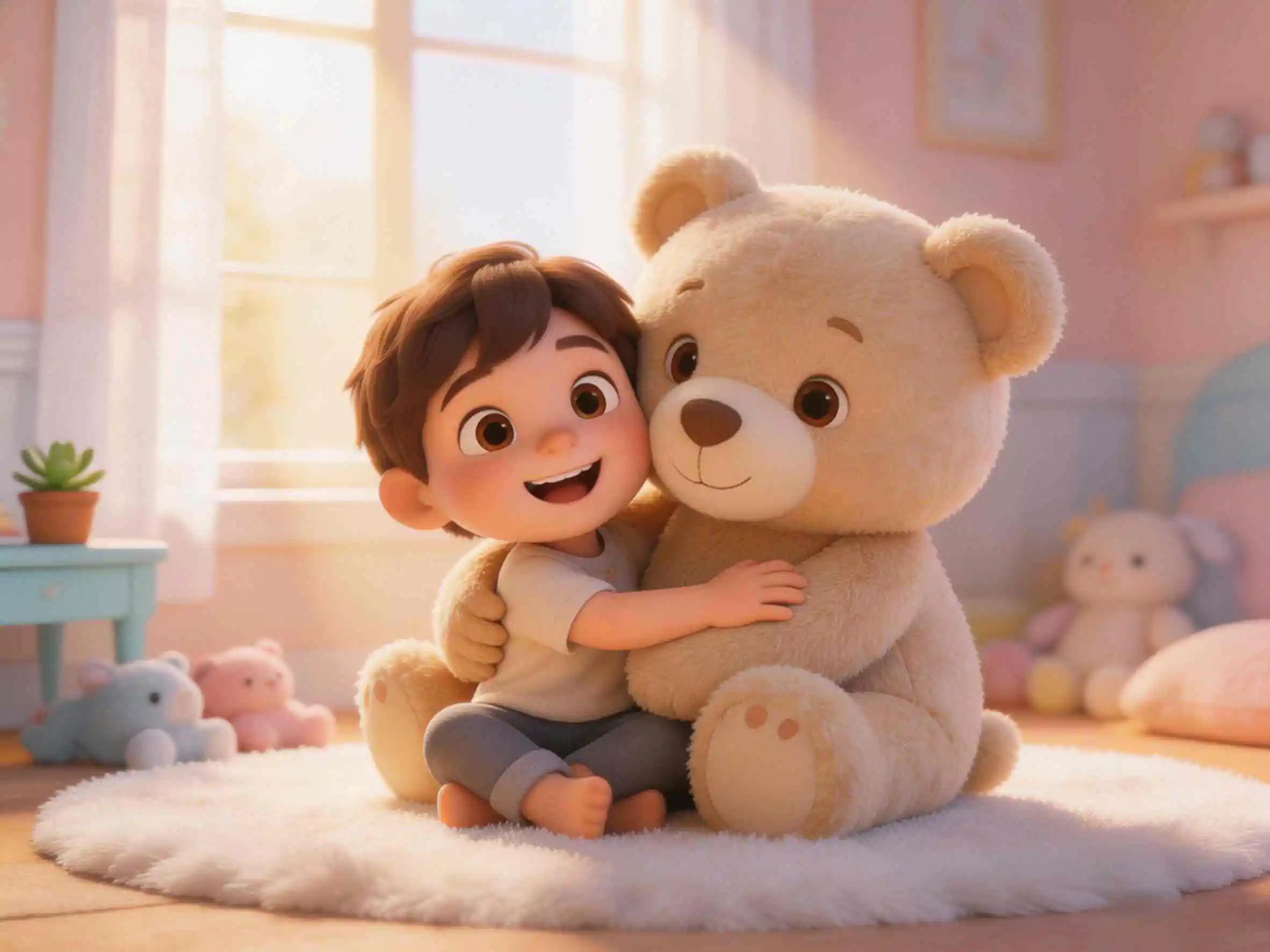
Japanese preschool families spend significant time with 子供向けアニメ and 童謡アニメ—especially stories built around familiar routines, memorable songs, and a lovable recurring character. That makes Japan an attractive market for creators who want to develop a memorable Japanese cartoon series that children can watch again and again.
The challenge is production. Gentle pacing, watercolor-inspired backgrounds, expressive food characters, Japanese narration, and carefully timed onomatopoeia all take time to create by hand. For creators, studios, and EdTech brands looking to 子供向けアニメを無料で作る, KiVi AI offers a faster way to develop story ideas into polished animated episodes.
Why Japanese Kids' Content Rewards Consistency
Japanese parents tend to value content that feels calm, age-appropriate, and connected to everyday life. Stories about bento, bedtime, brushing teeth, seasonal celebrations, and friendship can become part of a child's routine—particularly when the same characters return in every episode.
- Everyday themes are easy to revisit: Familiar routines give parents a clear reason to return to a series and give creators a repeatable editorial format.
- Songs and sound words improve memorability: Nursery-rhyme structures, repetition, and playful expressions such as fuwafuwa and korokoro can make stories easier for young viewers to follow and remember.
- Localization creates differentiation: Seasonal customs, food culture, and natural Japanese phrasing can make a series feel more authentic than a direct translation.
In this example, Hana opens an empty bento box. Pipo, a little cloud spirit, and a group of bento friends—including Onigiri-chan, Tamagoyaki-kun, Morimori the broccoli, and three rolling cherry tomatoes—help make it again. The story uses gentle Japanese narration, playful sound words, and a warm watercolor-inspired visual style.
Why Traditional Production Takes Time
A short Japanese children's episode may look simple on screen, but a great deal of craft happens behind the scenes. Independent creators often face three bottlenecks:
- Voice and narration: Children's stories depend on a warm, clear delivery and precise timing between narration, music, and visual actions.
- Cultural adaptation: A natural Japanese script is more than a translated script. It needs age-appropriate phrasing, culturally familiar details, and sound effects that feel right for the scene.
- Character continuity: A mascot's silhouette, colors, facial expressions, and proportions need to remain stable from shot to shot and episode to episode.
How KiVi AI supports a Japanese cartoon production workflow
KiVi AI helps creators move from a Japanese story idea, script, or lyric to a repeatable animation workflow. It can support the development of a cozy, hand-painted visual direction and a recurring mascot series without requiring a full production team.
- Japanese story input: Start with a Japanese synopsis, script, or lyric and build the episode around child-friendly language and expressive sound words.
- Character IP Lock: Keep key character traits more consistent across scenes so your mascot can become recognizable over time.
- Cozy visual direction: Use soft colors, warm lighting, watercolor-inspired backgrounds, and gentle movement to create a calm viewing experience.
Step 1: Add Your Japanese Story Idea
Begin with a simple premise, such as: “The bento is empty, so Pipo and Hana's bento friends work together to prepare a new meal.”
Step 2: Define Your Characters and Style
Set the visual identity for Pipo, Hana, and the bento friends, then choose a soft, cozy anime direction.
Step 3: Generate Scenes and Motion
Develop the cooking montage, the empty-box reveal, and the closing hug while keeping the pace suitable for preschool viewers.
Step 4: Add Voice, Music, and Subtitles
Review the Japanese narration, add gentle background music, and include hiragana subtitles where they support early readers.
Three Ways to Build a Kids' Content Business
- Build a serialized YouTube channel: Create a consistent mascot format around routines such as bento, bedtime, brushing teeth, and seasonal celebrations.
- Create educational companion materials: Pair episodes with printable hiragana sheets, song lyrics, vocabulary cards, or classroom activities for nurseries and Japanese-language schools.
- Extend the character into an IP brand: A distinctive mascot can support picture books, stickers, plush products, and seasonal collaborations—once audience demand and usage rights are carefully validated.
Frequently Asked Questions
Conclusion: Turn One Idea into a Series
A Japanese preschool animation series does not need to begin with a large studio. Start with one familiar routine, one memorable mascot, and one clear emotional idea. With KiVi AI, you can develop 子供向けアニメ and a warm Japanese cartoon series with Japanese narration, playful sound words, and a consistent visual direction—then refine each episode with careful human review.
Ready to develop your Japanese kids' series?
Turn one small story—perhaps a single bento box—into the beginning of a world children can revisit.