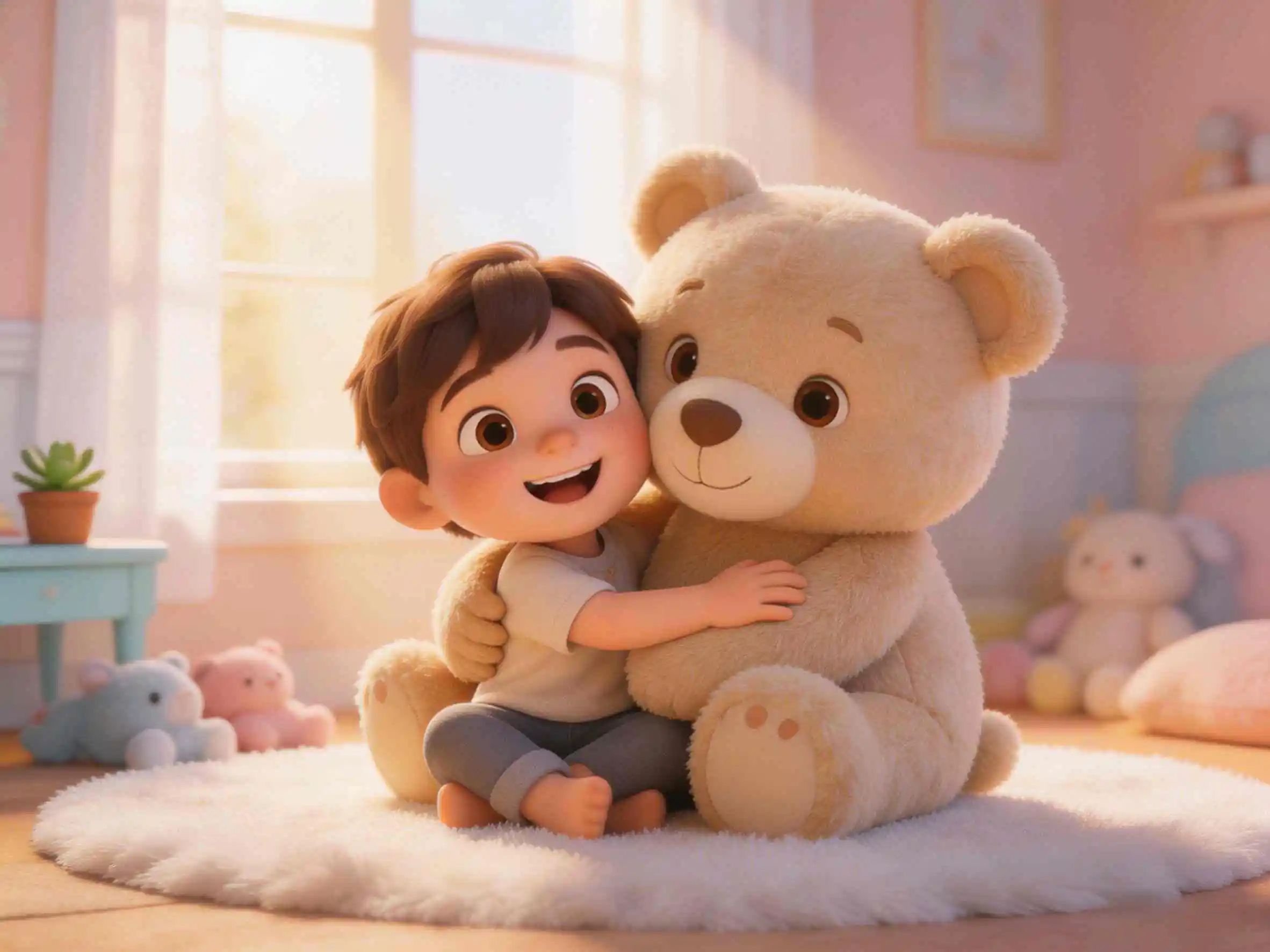
- No Experience Needed: Generative AI turns complex 3D pipelines (rigging, keyframing, rendering) into simple text prompts.
- Boosts Student Engagement: Converting syllabi into episodic 3D animated series drastically increases classroom attention.
- Character Consistency: Modern engines solve visual morphing across scenes using dedicated Character Lock systems.
- 100% Kid-Safe: True educational tools enforce strict data guardrails—zero ad-tracking and zero PII collection.
For educators, parents, and children's content creators, blending learning with entertainment through modern edutainment requires bridging dry lesson plans with imaginative visuals. With the rapid evolution of AI animation for kids, turning classroom syllabi into engaging cartoon series no longer demands months of technical production. By leveraging an intuitive 3D cartoon generator, teachers can revolutionize classroom storytelling while using advanced features like character consistency to keep animated mascots identical across every lesson episode.
1. What is AI Animation for Kids?
AI Animation for Kids is the process of utilizing generative artificial intelligence models to convert written storybooks, text prompts, or classroom lesson scripts into stylized 3D/2D cartoon videos.
Traditionally, creating 3D animations required high-end workstations, complex rigging software (like Blender or Maya), and hundreds of hours of manual rendering. Generative AI bypasses these technical barriers, serving as a digital sandbox where teachers, parents, and children co-create. Creators simply select a style and enter a standard script—such as "A dinosaur exploring a cozy prehistoric forest"—to instantly generate 3D animation assets ready for immediate use in production.
2. Why AI 3D Animation is Transforming Classrooms
Traditional media in classrooms is often passive. AI animation turns students and teachers from passive consumers into active visionaries.
- From Textbook to "Edutainment": Abstract STEM concepts (like photosynthesis or the water cycle) become intuitive when explained by a recurring, friendly animated mascot.
- Reducing Transition Anxiety: Early childhood educators use custom character animations to prepare toddlers for kindergarten. A school mascot explaining recess, lunch routines, and pickup times provides a structured visual roadmap that eases anxiety.
3. Core Tech Checklist: What Makes a Great Kids' AI Animator?
Not all AI video tools are built equal. When evaluating platforms for classrooms or children's media production, you must audit three non-negotiable criteria:
| Evaluation Metric | Generic AI Video Tools | Kids-First 3D AI Engine (e.g., KiVi AI) |
|---|---|---|
| Character Consistency | Faces and clothes morph between scenes | Character Lock System freezes facial geometry & outfits |
| Visual Stimulation Level | High saturation, rapid cuts causing sensory overload | Low-Stimulation Mode with gentle pacing & soft tones |
| Data Privacy & Compliance | Sells cookies & tracks behavioral data | COPPA, FERPA, SOPIPA Compliant (Zero PII collection) |
| Hardware Requirements | Requires expensive local GPUs | 100% Cloud-Based (Runs smoothly on Chromebooks) |
4. Step-by-Step Guide: Turn Syllabus into 3D Cartoons
Transforming a dry curriculum into an engaging 3D cartoon series no longer requires months of production. With KiVi AI, educators can seamlessly bridge lesson plans and digital edutainment. Follow this 4-step workflow designed for impactful classroom storytelling:
Input Lesson Objectives & Draft Script
Extract the core objective of the day (e.g., "How bees pollinate flowers") and paste it into the AI assistant. The engine automatically formats it into an age-appropriate storyboard script.
Lock Your Character & Select 3D Art Style
Pick a recurring mascot and activate the Character Lock feature. This ensures perfect character consistency across every scene cut, preventing visual morphing.
Render Scenes & Sync Vocal Narration
Click render to generate high-quality 3D visual panels. Utilize the built-in AI Lip-Sync to sync the teacher's voiceover or natural narration tracks effortlessly.
Export Low-Stimulation Video
Export the final episode in HD. The rendering engine optimizes color saturation and pacing for a gentle, low-stimulation viewing experience ideal for K-12 classrooms.
5. Best Practices for Low-Stimulation Kids' Cartoons
Creating effective AI animation for kids requires a deliberate pedagogical touch. Avoid hyper-stimulating visual traps by following these field-tested guidelines:
- Gentle Pacing: Avoid rapid scene cuts and loud sudden sound effects to prevent sensory overload in young children.
- Vocal Clarity: Keep voiceover audio crisp, cheerful, and paced slightly slower than standard conversational speech.
- The 5-Minute Rule: Keep micro-lessons short and focused. Short episodic chapters match young attention spans best.
- Interactive Prompts: End lessons with a direct question from the main character to inspire real-world classroom discussions.
6. Frequently Asked Questions (FAQs)
Conclusion: The Past Belongs in Motion
Bringing AI animation for kids into modern teaching workflows bridges the gap between traditional curriculum standards and visual-first learners. By utilizing a specialized 3D cartoon generatorI equipped with strict character consistency, educators can transform everyday classroom storytelling into immersive edutainment that captivates young minds without overwhelming them. As AI video technology continues to evolve, creating safe, engaging, and low-stimulation educational content is no longer a privilege reserved for major animation studios—it is now an accessible, everyday teaching tool.
- Character Consistency Lock: Keep your school mascot identical across endless lesson episodes.
- Privacy-First & Ad-Free: Fully compliant with COPPA & FERPA data protection standards.
- Cloud-Based Rendering: Runs smoothly on standard web browsers and Chromebooks.