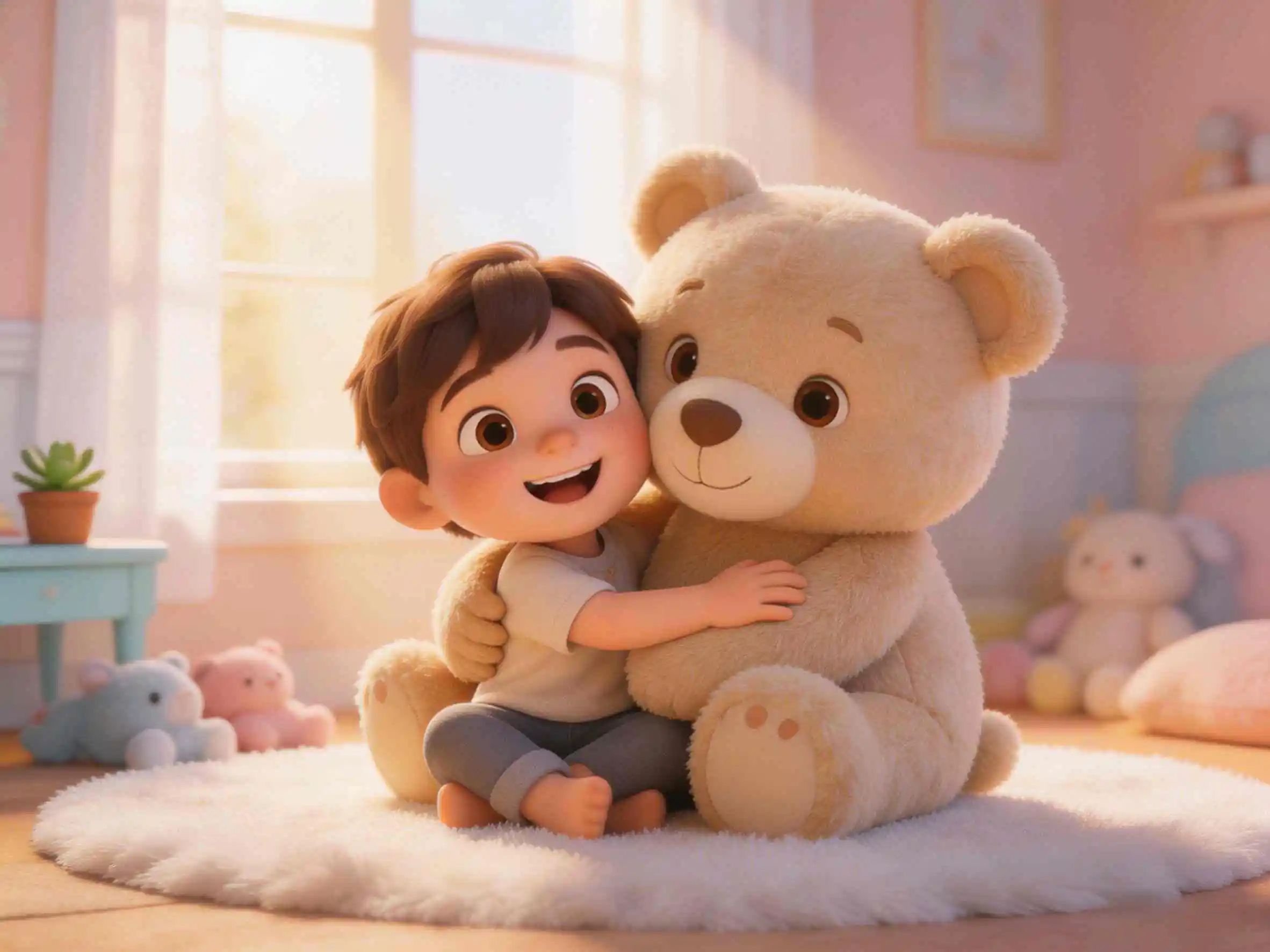
Building an engaging children's video requires structure. Rather than generating long, unpredictable video loops, professional storytellers use scene-by-scene AI storytelling to maintain tight narrative control, consistent characters, and clear visual transitions.
With KiVi AI, creators can break raw bedtime scripts or 2D picture books into individual visual shots, preserving identity while adding dynamic physical motion to every scene.
- Granular Script Breakdown: Segment full narrative arcs into discrete 3-to-5 second visual prompts for maximum movement control.
- Identity Anchoring: Lock hero face maps and color swatches to prevent visual morph drift across multiple shots.
- Dynamic Action Prompts: Combine character motion with material transformations (morphing clay, unfolding paper) per shot.
Why Scene-by-Scene Storytelling Outperforms One-Prompt Video Generation
Asking an AI to "generate a 1-minute animated kids story" usually results in chaotic visual shifts, morphing faces, and lost plot continuity. Children's attention relies on clear action setup, emotional reactions, and smooth scene resolution.
By implementing a scene-by-scene workflow, creators split text scripts into isolated visual beats. Each beat focuses on one primary motion—a character hopping, a clay ball flattening, or a door unfolding—ensuring cinematic quality and total creative authority over the narrative.
Start Scene-by-Scene GenerationProduction Pipeline Comparison: One-Shot vs. Scene Breakdown
Here is how structured scene-by-scene story generation compares against single-prompt AI video outputs.
Master Visual Morphing for Kids Stories
In visual-first storytelling, narrative pacing relies heavily on fluid physical transformation. Mastering visual morphing kids stories allows you to turn soft, organic materials—like glossy jam or rising dough—into dynamic scene transitions that instantly capture a child's imagination.
By isolating these motion mechanics within KiVi AI, you can direct elastic stretching, squishing, and surface deformation while maintaining realistic spatial weight across each frame.
Maintaining Character Consistency in AI Animation
When converting an AI script to video for children, maintaining strong character consistency AI animation is critical. As seen in this underwater adventure, characters like 8-year-old diver Maya and her seal friend Bramble must retain their signature details across changing depth lighting and wide tracking shots.
Using KiVi AI's multi-prompt anchor tools, key visual identity assets—such as Maya's brass helmet and Bramble's oversized goggles—remain crisp and unaltered through every cut in the kelp forest.

- Granular Scene Editor: Synthesize, edit, or regenerate individual shots independently.
- Character Anchor Engine: Keep face, costume, and color tokens locked across all shots.
- Full Commercial License: Export high-res videos for YouTube monetization and publishing.
Step-by-Step Workflow: From Script Text to Finished Scene Shots
Follow this 4-step scene breakdown pipeline to construct structured children's animations with KiVi AI:
- Segment Script into Visual Beats: Break text into 5 second actions (e.g., Beat 1: Character enters; Beat 2: Object transforms).
- Lock Main Character Identity: Define hero visual traits in KiVi AI to establish baseline consistency across all generated clips.
- Generate Isolated Video Clips: Prompt each scene individually with specific action, lighting, and physics instructions.
- Stitch & Add Audio Track: Merge shot files in your editor, adding voiceover, background music, and sound effects.
Preserving IP Consistency Across Complex Multi-Scene Series
When expanding a single story into a recurring series, visual consistency becomes your channel's signature identity. Inconsistent visual design confuses child viewers and weakens brand recognition.
KiVi AI resolves this through persistent visual reference mapping. The engine retains core character vectors regardless of camera depth, visual style, or background elements.
- Facial Mapping: Eye position, cheek contours, and expression bounds stay uniform across scenes.
- Color Palette Locking: Costume hues remain identical regardless of scene lighting variations.
- Scale Consistency: Keeps your main character correctly sized against morphing environmental props.
Frequently Asked Questions
Conclusion: Build Better Kids Stories Shot by Shot
Mastering scene-by-scene AI storytelling for kids bridges the gap between raw scripts and polished animated videos. Take full control of your visual narrative today with KiVi AI!
Ready to Master Scene-by-Scene Creation?
Turn your script into structured, consistent animated video scenes in minutes.