
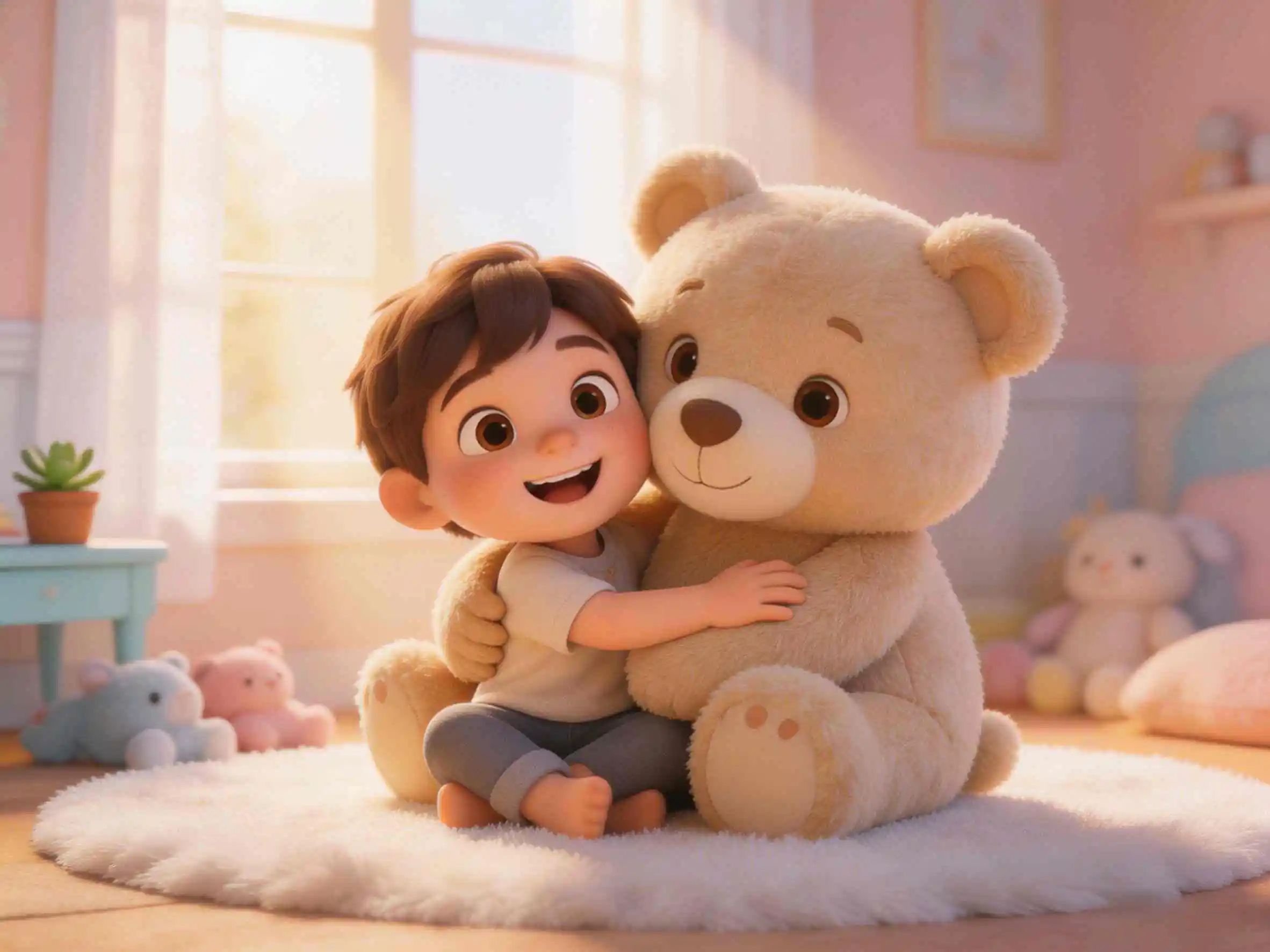
The creator economy is shifting. In 2026, YouTube Kids and educational TikTok channels are dominating watch time. For content creators, educators, and even parents, the dream has always been the same: taking a brilliant idea and turning it into a professional, captivating animated bedtime story or educational video.
Over the past year, the market has been flooded with incredible AI video generators. Platforms like Kling, Sora, and versatile tools like Runway Gen-3 have made it possible to generate stunning cinematic footage, corporate explainers, and long-form video content up to 50 minutes long.
But there is an important distinction that many creators discover: creating content for children is fundamentally different from creating content for adults. While general tools like Runway Gen-3 and Sora excel at broad cinematic tasks, KiVi AI is purpose-built for kids' media. By combining near-perfect character consistency across scenes, a smart scene transition engine, and strict child-safe guardrails, KiVi significantly reduces the need for timeline editing and helps creators produce engaging, age-appropriate bedtime stories in minutes.[1]
Key Takeaways
- General AI video tools like Runway Gen-3 and Sora excel at cinematic, short-form content; KiVi AI is a dedicated 3D cartoon AI generator where consistency and safety matter more than realism.
- Character IP Lock is the foundation of any monetizable YouTube Kids channel—general tools still morph characters over long videos.
- Child-safe guardrails, age-graded vocabulary, and storybook-trained voice actors make KiVi a specialized nursery rhymes animation software rather than a one-size-fits-all generator.
The Unique Challenges of Children's Media
If you've ever watched a 4-year-old consume media, you know they are the ultimate critics. They don't care about ultra-realistic 8K cinematic lighting; they care about familiarity, rhythm, and safety.
When you attempt to use a general-purpose AI video generator (like Sora) to create a 5-minute bedtime story cartoon, you immediately hit three significant roadblocks:
- The Consistency Nightmare: Children attach to IPs. If "Timmy the Tiger" is wearing a red hat in scene one, he cannot suddenly have a blue hat and three ears in scene four. General AI models "hallucinate" and morph characters more frequently over long durations.
- Video Animation Style: Children's content heavily relies on animation style. Applying hyper-realistic AI video styles rigidly to disjointed video clips will appear terrifying to kids. Children's animated videos must perfectly complement various styles.
- The Safety Risk: General LLMs and image models can occasionally slip up, generating slightly scary imagery or inappropriate vocabulary that slips past basic filters.
This is exactly why we built KiVi AI—not as a "Swiss Army knife" for all video editing, but as a purpose-built studio designed primarily for the minds of children.
Deep Dive: General Platforms vs. Specialized Studios
1. The Character Continuity Crisis
When using a broad platform like Runway Gen-3 or Sora, you are often working with standard text-to-video diffusion models. While their general creative workflow is genuinely flexible for explainers and ads, the reality of generating a 10-minute cartoon is still fraught with consistency errors. You may spend hours re-rolling prompts, trying to force the AI to remember what your protagonist looks like.
The KiVi Solution: We introduced the Character IP Lock system. When you start a project in KiVi, you first generate and "lock" your character's concept art. Our specialized pipeline then uses this exact reference point for every single frame. Whether Timmy the Tiger is jumping, sleeping, or brushing his teeth, his facial features, proportions, and clothing remain consistent across scenes. This is the foundation of building a recognizable, monetizable Kids' IP.[2]
Why it matters for YouTube:
Merchandising and brand recognition rely heavily on visual consistency. Building a brand around a character whose face changes frequently is significantly harder.
2. Tailored Animation Styles vs. Generic AI Aesthetics
General video generators often apply a one-size-fits-all, photorealistic aesthetic. When you attempt to create a playful kids' video on platforms like Sora, the output defaults to a generic realism. Children's animated videos must perfectly complement various styles—not just rely on a single filter—to feel organic and engaging.
The KiVi Solution: KiVi AI reimagines the rendering process by offering Tailored Kids' Animation Styles. Our platform doesn't just apply a generic filter; we ensure children's animated videos perfectly complement various styles, such as vibrant 3D Cinematic Cartoon, cozy Claymation, or classic Handcraft Felt. This helps every scene feel organically crafted, warm, and specifically designed to captivate a child's imagination.
3. Purpose-Built Guardrails and Storybook Voices
Generic text-to-speech models are great for podcasts and corporate training. But read a bedtime story with a corporate AI voice, and you'll quickly find the adults drifting off while the kids lose interest. Furthermore, general platforms use broad safety filters that aren't always strict enough for early learning.
The KiVi Solution: Our voice models are trained on professional children's entertainers, storytellers, and educational voice actors. They are emotive, warm, and engaging. More importantly, our underlying LLM acts as a dedicated animation idea generator, wrapped in age-graded guardrails. The vocabulary is tailored to specific age groups (e.g., 2-4 years, 5-7 years), helping ensure that the content is not only safe but developmentally appropriate.
Feature Breakdown at a Glance
| Core Capability | General AI (e.g., Runway Gen-3 / Sora) | KiVi AI (Purpose-Built) |
|---|---|---|
| Primary Focus | Broad Short-Form Videos (Cinematic, Ads) | Kids Animations & Educational Videos |
| Visual Consistency | Varies (Higher risk of morphing over long durations) | 100% Character IP Lock Across Scenes |
| Audio Profiles | Standard Text-to-Speech | Studio-Grade Storytellers & Voice Actors |
| Production Time | Hours of manual assembly & prompting | ~3 Minutes (Prompt to Publish) |
| Animation Styles | Generic cinematic realism | 9 kids-tuned styles (3D, Claymation, Handcraft, etc.) |
| Child-Safety Guardrails | Broad, general-purpose filters | Age-graded vocabulary (2–4, 5–7, etc.) + strict kids' guardrails |
| Editing Skills Required | Timeline editing experience helpful | None — Smart Scene Transition handles assembly |
| Platform-Ready Export | Generic ratios; manual reformatting for YT/TT | 16:9 for YouTube, 9:16 for TikTok/Shorts (one click) |
Frequently Asked Questions
Conclusion
If you are a marketing agency needing a photorealistic 30-second sci-fi clip or a real-estate explainer, general AI video generators like Sora or Runway Gen-3 are excellent tools that will serve you well. However, if your goal is to build a viral YouTube Kids channel, create captivating classroom materials, or generate a magical bedtime story starring your child's favorite imaginary friend, KiVi AI is purpose-built for that job.
By significantly reducing the friction of timeline editing and addressing the character consistency problem, KiVi AI allows creators to focus more on what matters most in children's media: imagination, emotion, and storytelling.
Ready to Create Your Kids Animation?
See how character consistency and smart scene transitions can streamline your kids' content workflow.
Last updated: 2026-08-18