
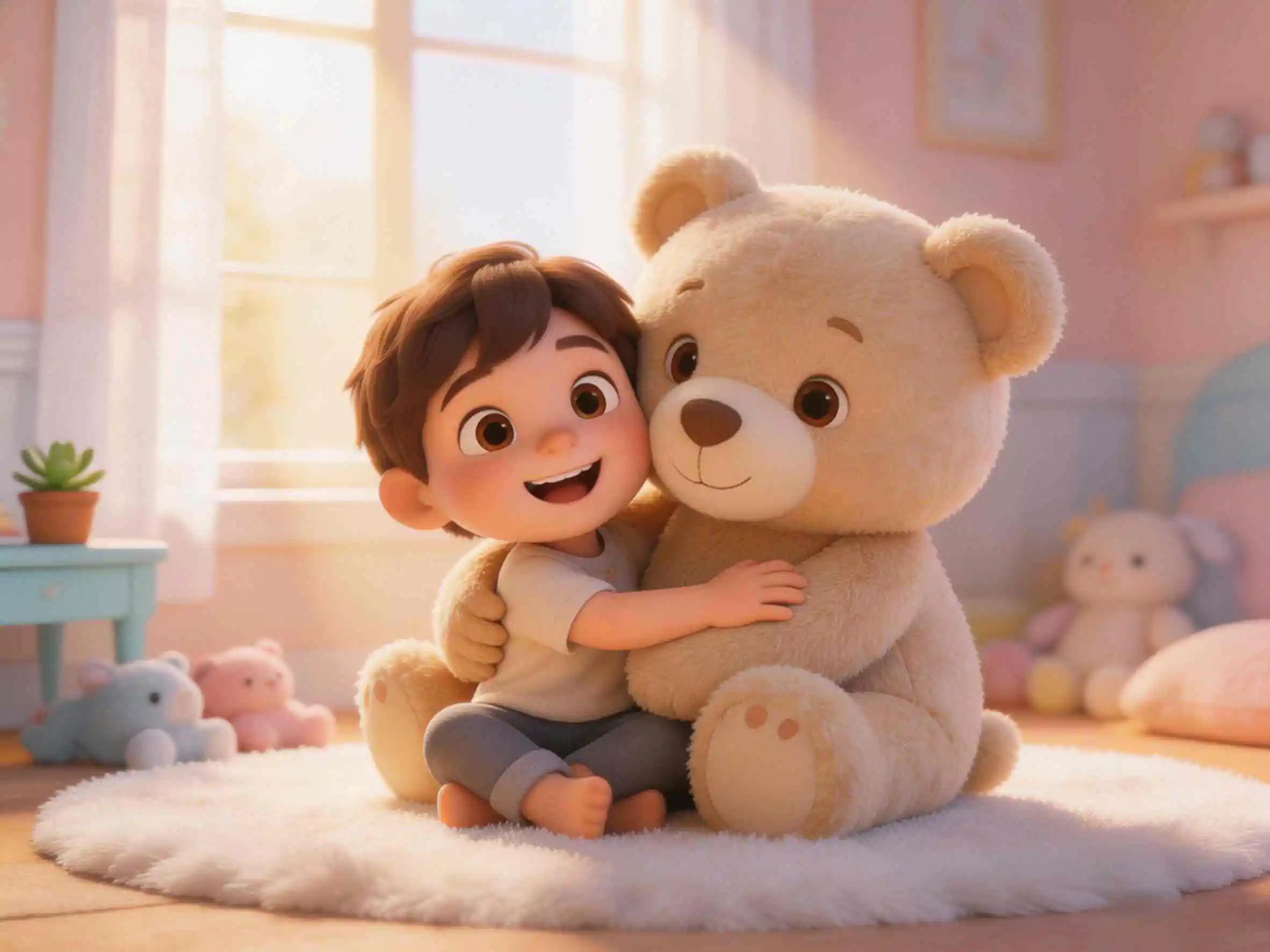
When young explorers ask, "Why do lions roar?" or "Why do zebras have stripes?", a simple picture rarely holds their attention. Children learn best through stories, rich visuals, and hands-on discovery. That is why introducing animals for kids through engaging safari adventures is such a natural starting point for early science learning.
With KiVi AI, parents, teachers, and creators can easily turn wildlife topics—like a father-and-son journey across the Serengeti—into animated learning videos. By combining friendly characters, real animal facts, and scene-by-scene storytelling, big nature questions become simple, memorable moments for young minds.
Animals for kids is age-appropriate educational content for children roughly ages 3 to 8 that teaches wild animals—their habitats, diets, and natural behaviors—through stories, visuals, and guided questions. Safari storytelling makes this concrete: a child and a parent travel the savanna, meet one animal at a time, and pick up facts a preschooler can repeat. Creators can produce this content with an AI 3D cartoon workflow and turn it into short, memorable episodes.
Why Explore African Animals with Kids?
The African savanna is one of the most thrilling backdrop settings for children's learning. Observing massive herds of wildebeests, and sleeping hippos introduces children to biodiversity and ecosystem harmony in an intuitive way.
Focusing on animal facts for kids helps achieve core early-learning goals:
• Discover unique habitats: Introduce young minds to grasslands, riverbanks, and the vast African savanna.
• Understand wildlife cooperation: Show how zebras and wildebeests travel together during the Great Migration to stay safe and share food.
• Recognize animal adaptations: Explore how a hippo’s skin stays safe under the African sun or how a lion communicates across miles.
• Spark natural curiosity: Frame lessons around a kid’s adventure with a parent to encourage active questions and family learning.
Watch a sample Storybook Animation generated with KiVi AI:
This sample is a dialogue-free preview—no narration, no loud sound effects—so you can judge the visuals on their own. Narrated and voice-cloned versions of the same episode are supported too; see Step 3 below.
Fun Safari Animal Facts for Kids to Discover
The most effective animal facts for kids are short, accurate, and visually compelling. When creating an episode about African animals, highlight memorable facts that can be demonstrated through simple animations. Each of the five animals below has one easy-to-animate feature—an action a child can copy or a number a child can remember:
- Lions: Lions are big cats that live in family groups called prides, usually a few related females, their cubs, and one or two males. A lion’s roar can be heard up to about 8 kilometres (5 miles) away—it is how pride members find each other across open grassland. Animation cue: the cub opens its mouth, and rings ripple outward over the grass.
- Zebras: Every zebra’s black-and-white stripe pattern is completely unique—just like a human fingerprint—so no two zebras look the same. The stripes also seem to confuse biting flies and make it harder for predators to single out one animal in a moving herd. Animation cue: the camera zooms in on one zebra’s shoulder until the pattern fills the screen.
- Wildebeests: Over a million wildebeests travel together across the Serengeti every year during the Great Migration, following the rains and the fresh grass. They are often joined by hundreds of thousands of zebras and gazelles, forming one of the largest land migrations on Earth. Animation cue: the camera pulls back to show the herd as a single moving river of animals.
- Hippos: Hippos spend most of their day in water or mud to keep their sensitive skin cool and protected from the sun, and they come ashore at night to graze on grass. A hippo can hold its breath for several minutes and can close its ears and nostrils underwater. Animation cue: the hippo sinks below the surface and only its ears and eyes stay visible.
- Giraffes: A giraffe’s neck can be around 1.8 metres (6 feet) long, yet it still has only seven neck bones—the same number as a human. Giraffes use that height to browse leaves other animals cannot reach, and their long tongues are tough enough to handle thorny acacia branches. Animation cue: the neck stretches up out of frame, then a tongue wraps around a thorny twig.
For preschool audiences, pair each fact with a clear action. For instance, in a safari animals video, a father character can explain zebra stripes to his child while the AI 3D cartoon zooms in on the beautiful unique patterns. Keep one fact per scene—two ideas in a single shot is where young viewers usually lose the thread.
Creating Safari Story Animations with KiVi AI
Using an AI 3D cartoon workflow with an intuitive 3D cartoon maker simplifies turning script concepts into finished educational videos. Follow these four steps to build your own wildlife episode:
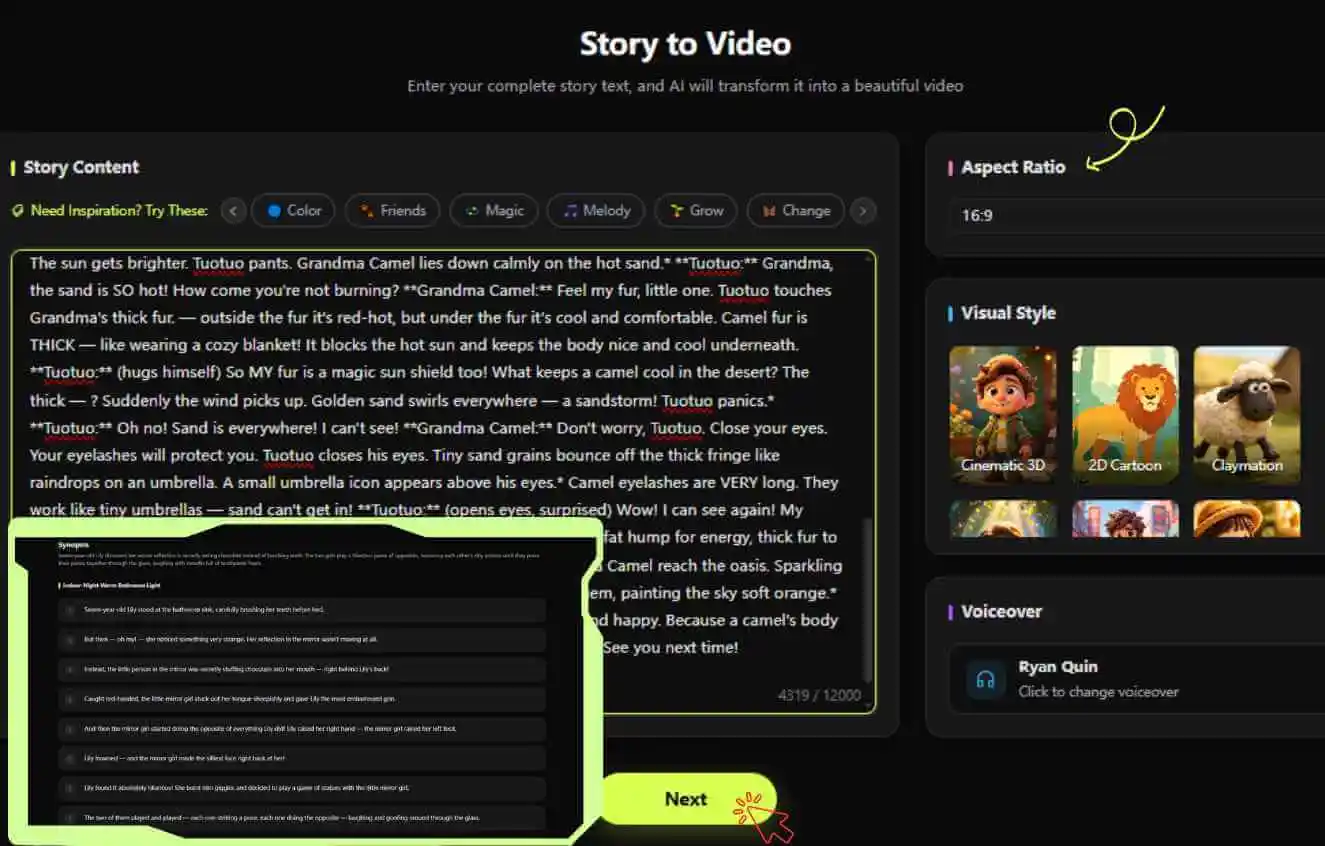
Step 1: Outline the Safari Script & Objective
Focus your storyline on a central adventure—such as a child on a safari trip with their father learning about wild animals. Pick 2-3 accurate facts about African animals to highlight.
Step 2: Choose a Friendly 3D Cartoon Style
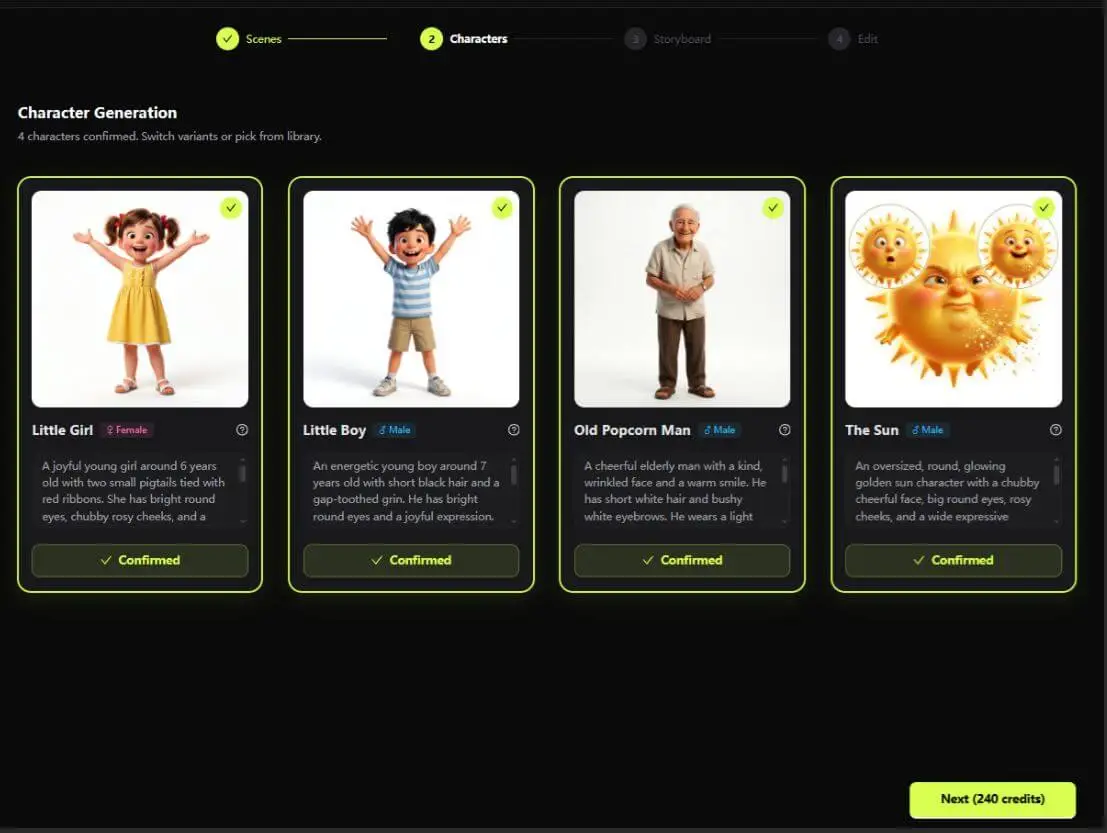
Select a visual style tailored for young viewers. Expressive 3D characters, warm sunlit savannas, and soft lighting make key characters like lions, zebras, and hippos feel approachable.
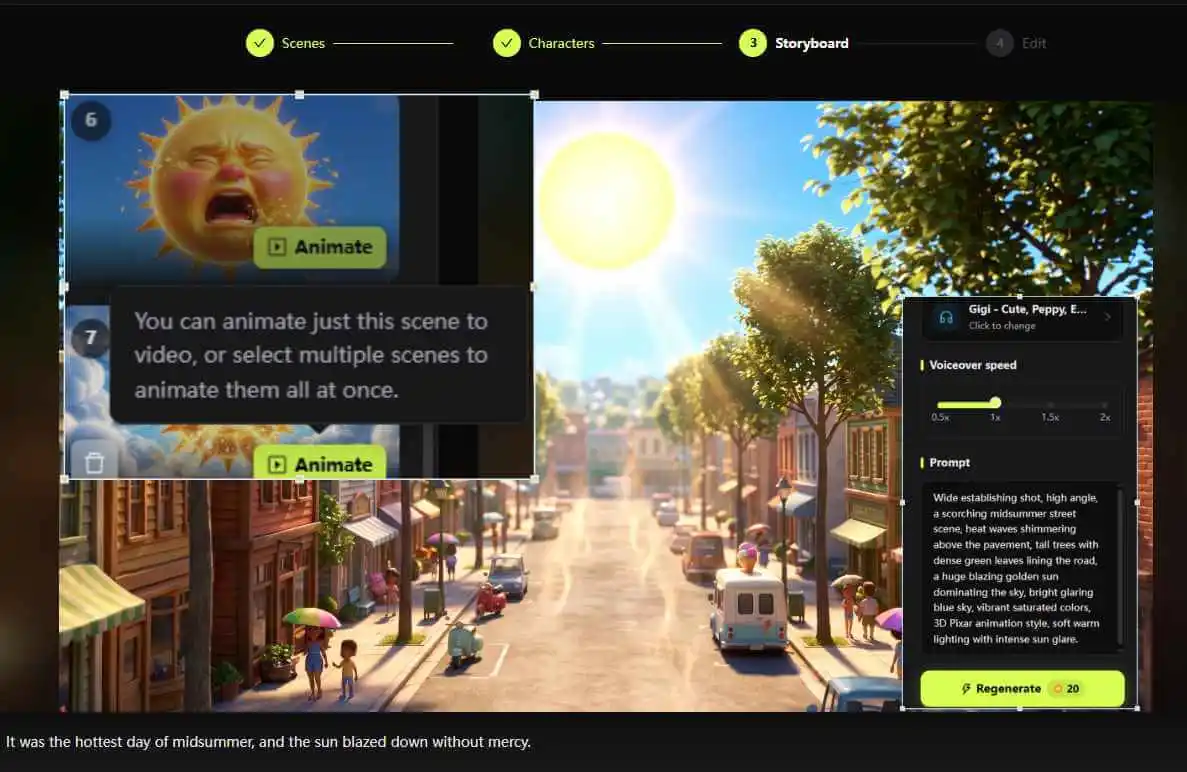
Step 3: Build the Storyboard and Voice Narration
Sequence your scenes: start with the jeep arrival, move into animal encounters, and feature clear dialogues between characters. Ensure that the AI 3D cartoon generator presents clean animal models and accurate movements.
Decide early which version you are making, because it changes how you write the script:
- Narrated version: Characters talk and a voiceover explains each fact. Write short lines—one idea per sentence—and add a voice track via your own recording, voice cloning, or the built-in AI voice actors. This is the version to use when the video carries the lesson by itself.
- Dialogue-free version: No talking, no loud sounds—visuals, gentle music, and on-screen captions carry the fact. This works well for classrooms, bedtime, and any setting where children watch alongside an adult who is doing the explaining.
- Both: Build the silent cut first, then add narration on top. Reusing the same scenes for both saves a full production pass.
Step 4: Review, Fine-Tune, and Export
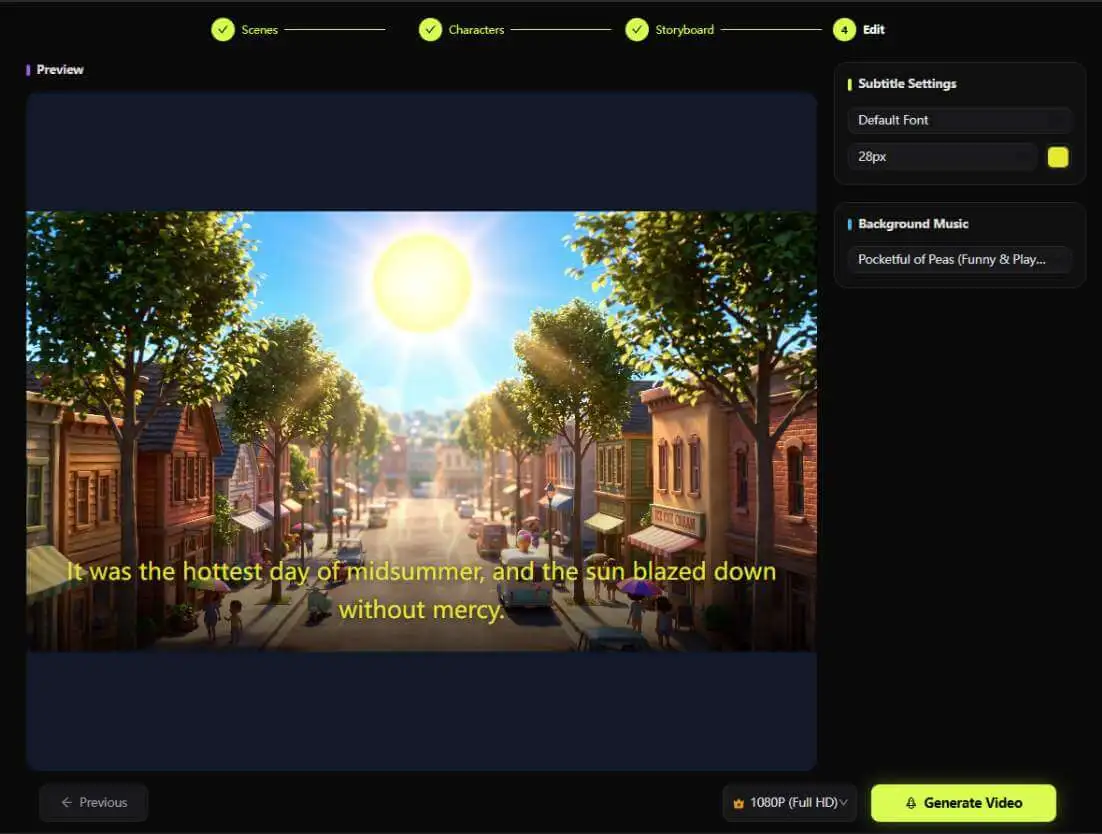
Check pacing, subtitle readability, and audio mix before downloading. Export high-resolution 4K video for widescreen YouTube lessons or vertical format for Shorts.
Best 3D Cartoon Styles for Wildlife Learning
Choosing the right visual style in your 3D cartoon maker ensures that visual effects support the educational core without creating distractions.
- Cinematic Savanna 3D: Golden daylight, detailed acacia trees, and soft environmental effects ideal for safari animals. Best for a "we are really there" feeling.
- Playful Storybook Animation: Gentle character rendering tailored for bedtime or preschool storytelling. Best when the adult is reading along.
- Classic 3D Wisetoon: Uncluttered layouts that focus attention directly on animal features and names. Best when the animal itself is the lesson.
Who Can Create Animal Videos for Kids?
Parents: Turn curiosity about African animals into customized educational storytimes for your children.
Teachers & Educators: Enhance classroom discussions on habitats, ecosystems, and food chains with engaging AI 3D cartoon clips.
Content Creators: Build dedicated educational series focused on animals for kids, sharing fun lion facts for kids and safari adventures across digital platforms.
- Nature Science Video Generator → Explore video ideas about wildlife, habitats, and natural ecosystems.
- Make history for kids feel discoverable → Create educational history videos as illustrated expeditions—one curious question, a handful of artifacts, and a story worth bringing home.
- Pet care for kids, told as cartoons → Feeding, walking, first-day nerves. Pet care for kids lands better as a cartoon, and one episode takes minutes rather than a film crew.
Frequently Asked Questions
Conclusion
Exploring animals for kids through a safari story framework opens endless possibilities for meaningful early science learning. Combining accurate animal facts for kids with charming safari animals helps turn natural curiosity into a lifelong appreciation for wildlife.
Using an AI 3D cartoon approach with a specialized 3D cartoon maker enables you to bring tales of African animals and lion facts for kids to life effortlessly. Start your creative workflow today and build engaging, educational adventures for young viewers.
Create Your First Animal Learning Video
Turn your wildlife concepts into engaging educational videos with AI-driven storytelling and 3D animation.