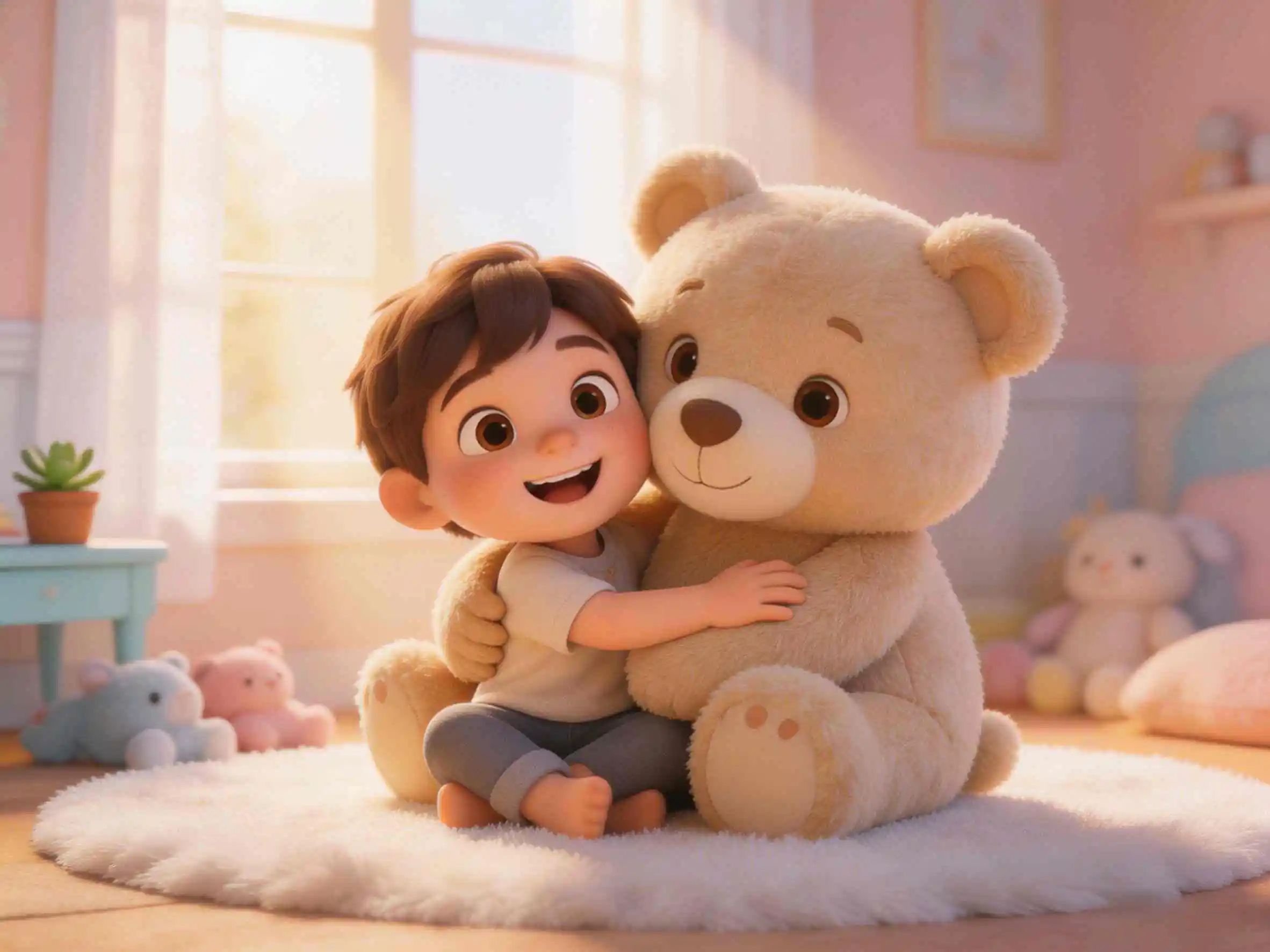
For special education teachers, pediatric therapists, and parents of neurodivergent children, finding safe visual resources is a constant battle. Standard children's cartoons are often flash-heavy and hyper-active, which easily triggers sensory overload or emotional meltdowns in sensitive children.
To teach daily routines, emotional regulation, and safety skills smoothly, educators rely heavily on structural scripts. With KiVi AI, you can now bypass expensive studio production and design tailor-made, sensory friendly animations for kids. It is the ultimate autism social story video generator built to convert simple text prompts into calm, beautiful, and predictive social learning scripts.Special education teachers can create visual schedule autism content without studio software
Why Standard Animation Fails Neurodivergent Kids
Traditional children's media is designed to fight for rapid attention spans using high-saturation colors, sudden loud noises, and jarring scene cuts. While standard audiences adapt easily, this fast pacing behaves like chaos to a neurodivergent child's nervous system. Building targeted low stimulation videos for adhd and specialized social stories for autism offers distinct operational advantages:
- Prevents Sensory Meltdowns: By utilizing a slow-paced visual stream, children focus entirely on the core educational task (e.g., sharing toys or washing hands) without triggering sensory defensiveness.
- Delivers Clear Predictability: Neurodivergent children crave structure. Animated scripts break complex real-world social environments into step-by-step, non-threatening digital expectations.
Recent studies in sensory processing suggest that 30–40% of autistic children exhibit significant negative reactions to high-stimulation media — including increased cortisol levels, heightened anxiety, and outright refusal to continue viewing. The American Speech-Language-Hearing Association (ASHA) explicitly recommends low-stimulus visual design as a core principle for therapeutic media targeting neurodivergent learners. KiVi AI was built on this evidence base, not just aesthetic preference.
Build a Sensory Story FreeHow to Make Social Stories for Autism in 4 Simple Steps
You don't need a background in graphic design or film editing to construct therapeutic materials. KiVi AI’s streamlined workspace allows therapists and parents to formulate custom behaviors easily.
Draft Your Behavioral Script
Input your targeted behavioral steps into the workspace. Frame sentences in the first-person or descriptive third-person layout, outlining exact micro-actions clearly.
Select a Low-Stimulation Texture Style
To keep sensory input minimal, select our cozy Claymation or Handcraft art styles. These provide calm, organic textures with gentle camera movements that do not distract the eye.
Apply Soothing, Slow Voiceovers
Pair the scene with KiVi's warm "Soft Mom Voice" or "Sleepy Bedtime Voice" options. The AI structures audio with deliberate spacing and clear phonics pronunciation, optimal for children tracking speech therapy cues.
Render the Full Visual Story
Generate your sequence. KiVi AI maps out your entire narrative block as a continuous multi-scene clip, providing logical flow automatically.
How to maintain character consistency in AI animation
When tailoring custom social stories for toddlers, cognitive consistency is everything. Children with autism or learning adjustments rely deeply on familiar visual patterns. If their digital model changes outfits, facial structures, or expressions between scenes, the child views it as an entirely new stranger, completely breaking the therapeutic focus.
KiVi AI anchors your setup with its flagship Character IP Lock. Once you specify a gentle avatar guide, our rendering engine guarantees that the character retains exact proportions across every storyboard. This allows creators and clinics to design ongoing low stimulation cartoons for ADHD featuring a trusted companion who guides them through every real-world milestone.

- Sensory-Friendly Design: One-click access to organic, soothing Claymation and Handcraft textures.
- Absolute Avatar Consistency: Lock your therapy mascot's face safely across infinite scripts.
- Acoustic Comfort: Slow-paced, nurturing narration tracks optimized for language processing.
- Multi-Scene Modeling: Structures continuous behavior chains smoothly with zero harsh scene cuts.
Empowering Therapy: 3 Low-Stimulation Quick Templates
To help therapists develop targeted digital materials quickly, paste these pre-formatted, low-glare scripts into our calm cartoons for autistic toddlers generator engine:
- Scenario 1: Navigating the Supermarket 🛒
The Idea: "A cartoon showing a gentle little teddy bear wearing a blue vest inside a quiet grocery store. The bear stays next to its mother, holds her hand, and breathes deeply when the checkout register makes a beep. Muted earth tones, slow pacing, soft focus background, sensory-friendly lighting." - Scenario 2: Waiting Patiently for a Turn 🛑
The Idea: "An animation about a friendly green dinosaur sitting on a park bench. Other animals are riding the slide. The dinosaur smiles, takes a slow breath, and watches a visual clock timer tick down peacefully. Low stimulation, pastel palettes, minimalist design, clear character lines." - Scenario 3: Sensory Transitions – Loud Haircuts 💇♂️
The Idea: "A cartoon about a small boy sitting calmly in a barbershop chair. The friendly barber holds a pair of quiet silver scissors. The boy wears protective earmuffs, giving a thumbs-up. Clear visual schedule layout, bright yet soft warm tones, steady camera angle, zero flashing."
Use them as a progression: Start with the supermarket scene to build following skills, move to the waiting scenario for impulse control, then tackle the haircut sequence as a high-sensory finale. Each story features the same trusted character guide — helping the child build familiarity before facing real-world challenges.
Frequently Asked Questions
Conclusion: Gentle Technology for Bright Minds
Every child deserves access to a learning environment where they feel safe, secure, and fully understood. By combining specialized educational insights with a professional sensory-friendly AI animation generator, KiVi AI empowers educators, therapists, and parents to create calm cartoons for autistic toddlers and low stimulation cartoons for ADHD — without any studio software or animation background. Whether you're building visual schedule autism content for the classroom, crafting autism social story video generator materials for a therapy practice, or simply helping a child learn to navigate the world one calm scene at a time — the tools are ready, the process takes under 15 minutes, and the impact is real. Try KiVi AI free today and turn any daily social hurdle into a comfortable, memorable success.
Ready to build a safe, sensory-friendly visual space?
Transform your behavioral script into a comforting, consistent social animation today.