
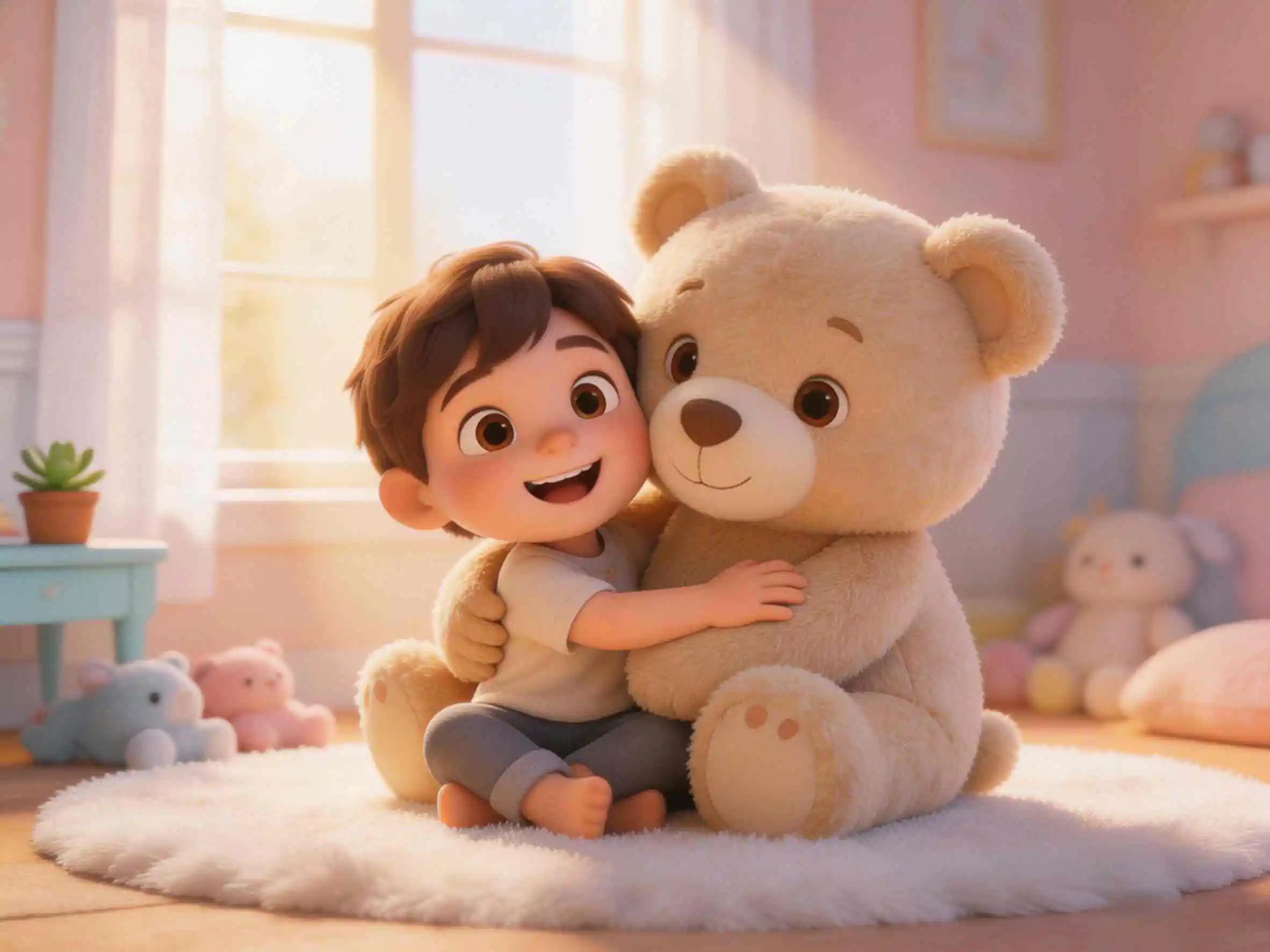
Learning the difference between good habits vs. bad habits is an important part of growing up. Through a fun animated story, children can see how everyday choices—such as eating healthy food, getting enough sleep, finishing homework, and staying active—can shape their lives. In this article, we'll explore a simple good habits and bad habits story for kids and show how KiVi AI's Character Dialogue feature can turn children's stories into engaging animated videos. Powered by KiVi’s specialized AI 3D cartoon, creators can transform original children's story ideas into charming animated videos featuring lovable characters, expressive voices, and uplifting storytelling.
A Good Habits and Bad Habits Story for Kids is an educational narrative featuring relatable cartoon characters who learn how everyday routines—like sleeping on time, eating nutritious food, and finishing homework—shape their energy and happiness. By combining engaging multi-character dialogue, clear cause-and-effect story beats, and bright 3D visuals, creators can produce impactful videos through an AI 3D cartoon workflow that inspires kids to build lasting positive routines.
A Story About Good Habits and Bad Habits: Jerry's Big Lesson
Young children love stories featuring relatable friends, everyday dilemmas, and positive lessons they can easily apply. Jerry's Big Lesson is a children's story about two best friends, Jerry and Tom, who follow very different daily routines. Jerry often stays up late playing video games, eats too much sugary junk food, and puts off his homework until the last minute. Tom, on the other hand, goes to bed early, eats balanced meals, makes time for outdoor exercise, and finishes his schoolwork on time.
As the story unfolds, Jerry begins to feel tired, sluggish, and frustrated when he struggles to keep up during playtime and class. With Tom's kind encouragement, Jerry gradually discovers how his daily choices affect his energy and mood—learning that small, consistent changes can make a huge difference. These relatable scenarios make the narrative an ideal good habits vs. bad habits story for kids.
Watch how an animated habits story comes to life in a finished AI 3D cartoon. Notice how expressive character dialogues, contrasting daily routines, and warm environments keep young viewers engaged from start to finish:
- Free AI Social Story Creator → Use a free social story creator to turn daily social scenarios, big emotions, and behavior guides into gentle, child-focused AI 3D cartoons in seconds.
- Custom Habit Building Cartoons → Learn how to build good habits for early behavioral development. Easily design sensory-friendly, safe habit building cartoons tailored to your child's daily routine.
- Create Hygiene Cartoons for Kids → Create gentle hygiene cartoons for kids about washing hands, brushing teeth, staying clean outdoors and caring for their bodies—using a familiar mascot children love.
What Can Kids Learn from This Habit Story?
Visual and narrative storytelling plays a crucial role when exploring good habits for kids. Preschoolers and elementary learners respond well to familiar routines, expressive character growth, and situations that mirror their everyday lives. Instead of simply lecturing children on what they should or shouldn't do, this story lets them observe the natural consequences of both positive and negative choices.
Key developmental lessons highlighted in the story include:
- Healthy sleep habits: Going to bed on time helps children wake up refreshed, alert, and ready for learning and play.
- Healthy eating habits: Choosing nutritious fruits, vegetables, and balanced meals helps kids maintain steady energy throughout the day.
- Good study habits: Finishing homework before playtime teaches personal responsibility, focus, and effective time management.
- Staying physically active: Regular outdoor exercise and sports help children build strength, coordination, and active lifestyles.
- Growth mindset & consistency: Small, positive choices practiced every day gradually turn into lifelong healthy habits.
The core takeaway is simple and empowering: good habits for kids don't require overnight perfection. A few small, positive adjustments each day help children grow into healthier, happier, and more confident individuals.
Bring Characters to Life with AI Character Dialogue
A well-written story becomes far more memorable when every character speaks with a distinct, expressive voice. With KiVi AI's Character Dialogue feature, creators can turn written scripts into lively multi-character conversations for animated videos—without recording voice actors separately or manually aligning audio tracks.
Why Creators Love KiVi's Character Dialogue Feature:
- Distinct multi-character voices: Assign unique vocal tones to Jerry and Tom so children can easily distinguish each speaker's personality and emotion.
- Structured speaker management: Organize back-and-forth conversations line by line in an intuitive script timeline.
- Automatic lip synchronization: Character mouth movements and facial expressions sync naturally with every spoken word.
- Emotional inflection: Capture Jerry's sleepy frustration in Scene 1 and his excited celebration in Scene 4 automatically.
Giving each character an authentic voice makes conversations easier for young children to follow and deepens their emotional connection to the lesson through a seamless AI 3D cartoon workflow.
Best Animation Styles for Children's Habit Stories
Choosing the right visual aesthetic enhances how children absorb educational messages. KiVi provides different animation styles for AI, allowing you to match the tone of your habit story with appealing visuals:
- Cinematic 3D: A polished, Pixar-inspired look with warm lighting, expressive facial animations, and detailed bedroom, school, and park environments. Ideal for relatable modern kids' stories.
- StoryBook: Soft, illustrated picture-book textures with gentle colors that feel like a cozy bedtime story come to life—perfect for younger toddlers.
- 3D Cartoon (Wisetoon): Bright, clean, and cheerful 3D character designs with exaggerated expressions that clearly highlight good vs. bad habit contrasts.
- Claymation: A charming handcrafted stop-motion look that adds playful tactile warmth to everyday routines like brushing teeth, eating veggies, or tidying up.
Step-by-Step Guide—Creating an Animated Story with KiVi AI
You don't need animation or voice-acting experience to create an engaging AI 3D cartoon. Follow these four simple steps to bring your habits story to life using KiVi AI:
Write a Simple Story Outline
Start with a familiar daily routine—like bedtime, healthy eating, or homework—and choose Narration or Character Dialogue, and customize your video settings, including aspect ratio, language and visual style.
Develop Your Story & Script
Let KIVI AI generate your story outline in Narration mode or create an editable script in Character Dialogue mode. Refine the plot and dialogue before production.
Design Characters & Create Storyboards
Choose your AI-generated character designs, customize their voices and turn your story into storyboards. Adjust scene prompts and dialogue while keeping your characters consistent.
Animate, Edit & Export
Animate your favorite shots, add subtitles and background music, review the final result and export your finished video.
Production Comparison: KiVi Workflow vs Generic AI Video Tools
Creating a polished good habits vs. bad habits story video for a faceless kids YouTube channel or classroom requires consistent multi-character dialogues, smooth scene transitions, and accurate lip-syncing. Choosing a dedicated AI workflow simplifies the entire production pipeline.
- Built-in Character Dialogue feature for effortless multi-speaker voice generation and lip sync.
- Consistent Character Generator maintains identical character features across different story scenes.
- Multiple animation styles tailored specifically for children's educational and moral content.
- Integrated pipeline connecting story scripting, voice acting, captions, and scene rendering.
- Requires tedious manual audio editing to record and match multiple character voices separately.
- Prone to shifting facial structures and changing outfits for characters between scenes.
- Lacks specialized templates for children's moral and daily habit storytelling frameworks.
- Demands separate external software for lip syncing, video stitching, and subtitle formatting.
Using a structured tool helps creators focus on impactful storytelling rather than technical roadblocks. Preview your scenes to ensure the educational message comes across clearly for young audiences.
More Good Habits Story Ideas for Kids
Once you've created a story about good habits and bad habits for kids, you can build an entire educational series around everyday virtues and routines. Here are five popular story concepts you can generate next:
- The Power of Sharing: Two friends learn that taking turns with a favorite toy makes playtime twice as fun for everyone.
- Being Honest Always Pays Off: A story showing why telling the truth after accidentally breaking a vase builds trust and relief.
- Patience at the Playground: Characters practice waiting calmly in line for the slide and managing frustration constructively.
- Brushing Teeth & Morning Hygiene: A fun adventure showing how morning brushing and washing hands keep "sugar bugs" away.
- Screen Time vs. Outdoor Play: A relatable tale about balancing tablet time with riding bikes and exploring nature with friends.
You can easily turn any of these ideas into structured scripts using KiVi AI's AI Social Story Creator to support children's social and emotional learning.
Frequently Asked Questions About Habits Stories for Kids
Final Thoughts
Teaching children about good habits vs. bad habits doesn't have to feel like a lecture. A relatable, well-paced story helps young learners recognize everyday choices and understand how small, consistent changes lead to positive results. With KiVi AI's Character Dialogue feature, you can bring every character to life with distinct voices and turn simple conversations into engaging animated storytelling. Start creating your own educational videos and make positive habit-building fun for kids today.
Create Your Story with KiVi AI Today
Turn your educational narrative ideas into cheerful AI 3D cartoon videos featuring consistent character designs, multi-character dialogue, and meaningful habit lessons. Start creating with KiVi AI.