
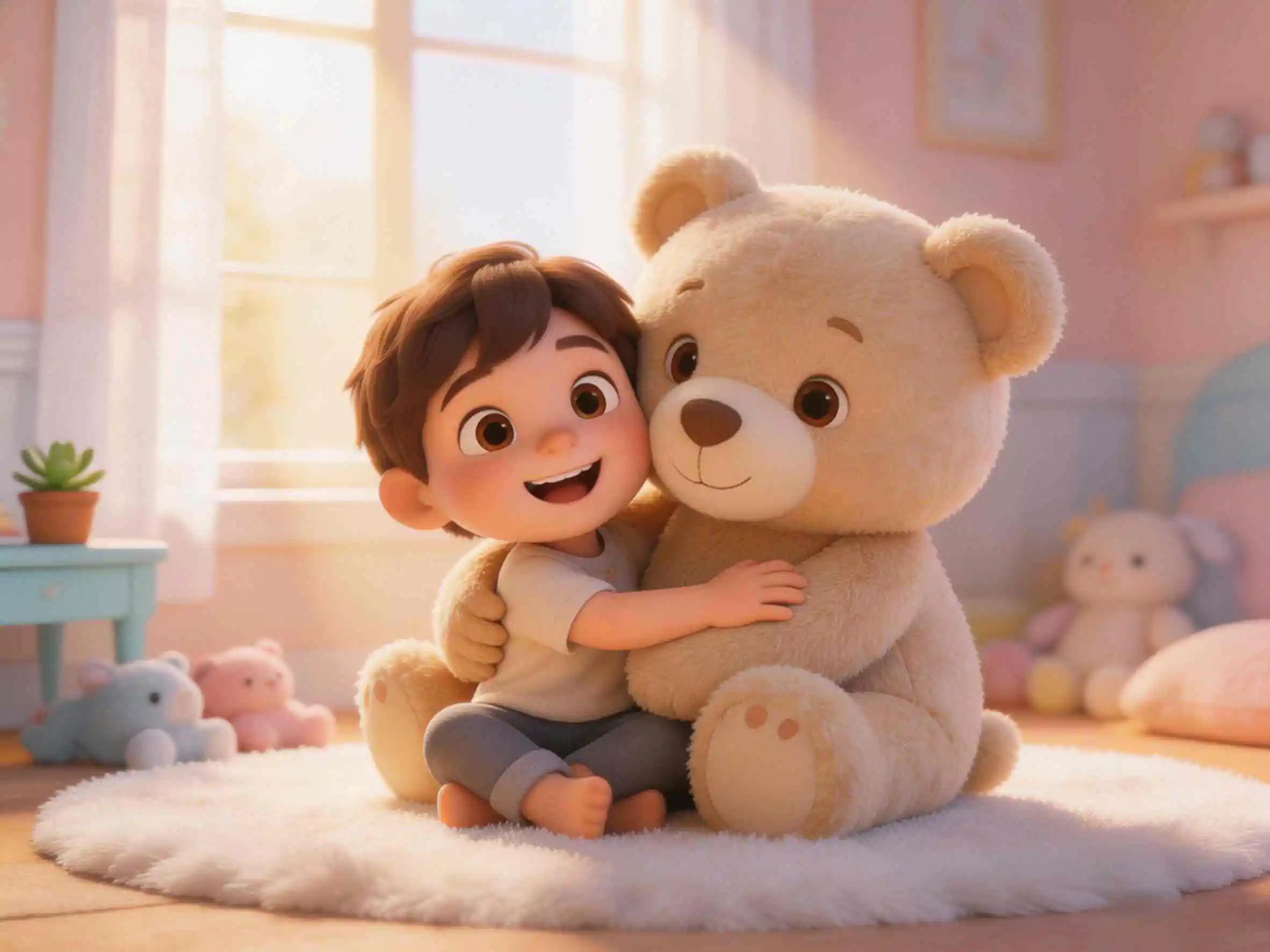
Teaching table manners for kids is one of the few parenting jobs that never really ends: the reminders at every meal, the napkin that slides off the lap, the fork used as a drumstick. Repeating "chew with your mouth closed" forty times a week is exhausting for you and forgettable for them. That is exactly why so many parents and early educators have switched strategy — turning manners for kids into catchy songs and gentle AI 3D cartoon stories the child actually wants to watch again. With a dedicated 3D cartoon maker and a prompt-driven AI 3D cartoon engine (KiVi calls this rendering mode 3D Wise toon), one sentence like "a song about washing hands before dinner" becomes a fully animated, child-safe rhyme in about five minutes.
Manners animation refers to short, low-stimulation 3D cartoon rhymes and story videos that teach dining etiquette through repetition and melody instead of adult correction. Created with an AI 3D cartoon workflow, each video converts one concrete rule — handwashing, holding a fork, chewing quietly, saying "thank you" — into a scene a 3-to-12-year-old can imitate at the dinner table tonight.
Why Table Manners for Kids Stick Better as Songs & 3D Cartoons
Children under seven learn procedural habits through imitation and repetition, not through explanation. When you say "sit properly" at the table, a child has to translate an abstract instruction into a body movement while also managing hunger, noise and siblings. A rhyme does that translation for them: "Wash our hands and find our seat… Napkin on your lap today… Use your fork and take your time…" — each line maps one lyric to one physical action. Add a AI 3D cartoon character doing the same movement on screen, and the child has a visual model to copy.
The second reason is emotional. Nagging creates a small conflict at every meal, and conflict makes children associate the dinner table with being corrected. An AI manners video reframes the same rules as something the child owns: the song belongs to them, the character is their friend, and the correction comes from the story instead of from mum or dad. Teachers report the same shift — the rule stops being a classroom order and becomes a shared joke.
Here is what a finished manners nursery rhyme looks like when produced with a 3D cartoon maker from a single prompt. Watch how the lyrics carry the rule and the visuals stay calm rather than frantic:
If you want the ready-made starting point instead of building from scratch, the full table manners for kids tool page includes two sample videos — a 1:53 sing-along rhyme and a 1:58 story called "Max and the Spaghetti Monster" — plus the complete prompt library behind them.
The 6 Dining Etiquette Rules Worth Turning into a Video
Do not try to fix every manner at once. Pick one rule per video, keep it under two minutes, and let the child request the next episode. These six cover most of what parents and preschool teachers actually struggle with:
- Wash hands before eating: the easiest rule to song-ify, and the one with the clearest health payoff. Prompt example: "a happy handwashing rhyme with soap bubbles and a count to twenty."
- Napkin on the lap: a short physical habit children simply forget. A rhyme that ends with the napkin landing on the lap gives them a cue to copy.
- Chewing with the mouth closed: best taught through a gentle story rather than a rule — the character tries to eat too fast, becomes a "Spaghetti Monster," and learns to slow down.
- Using utensils instead of fingers: show the fork and spoon as friendly characters so the tool itself becomes interesting.
- Sitting still and staying at the table: a rhythm with a steady beat helps children pace themselves and finish a plate without running off.
- Saying "thank you" and "please": the social layer of dining etiquette. End every video with a thank-you line so the phrase becomes the automatic closing beat.
Once a child can sing the rule, extend the same character into the rest of the daily routine: kids hygiene cartoons for toothbrushing and handwashing, habit building cartoons for potty training and tidy-up time, and clean up songs for kids for the ten minutes after dinner. One mascot, one visual style, one growing series — that is what makes the habit stick.
Step-by-Step Guide—Making a Table Manners Video with KiVi AI
Step 1: Write Your Rule as a Prompt
Type a single sentence describing the behaviour, not the video. "A song about using a napkin" or "a story about chewing with your mouth closed" is enough. Choose Music Video mode for a sing-along rhyme or Idea to Video mode for a narrative episode, and let the engine draft lyrics or narration for you.
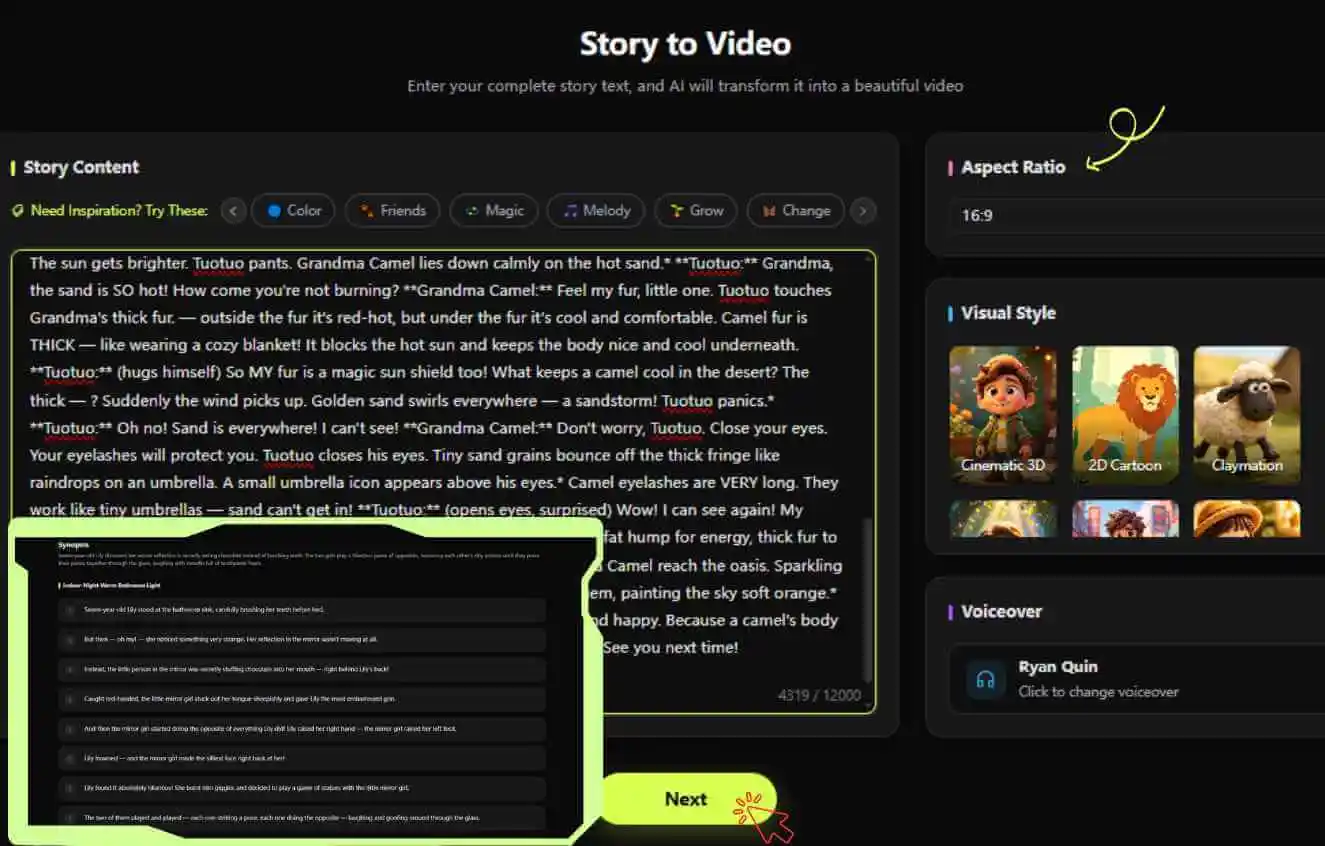
Step 2: Choose a Gentle 3D Cartoon Style
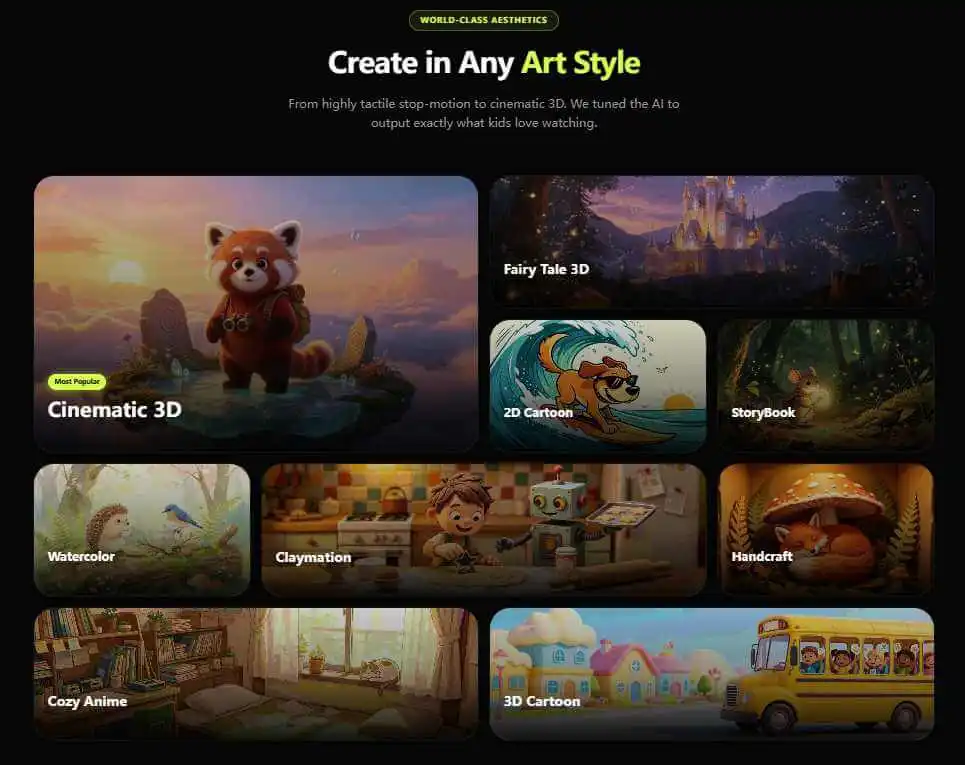
Select one of nine built-in looks — Cinematic 3D, 3D Cartoon, Storybook, Claymation, Watercolor and more — then set the aspect ratio for YouTube, TikTok or Instagram. For mealtime content, warm watercolour and felt textures work better than saturated neon palettes, because the goal is calm attention rather than excitement.
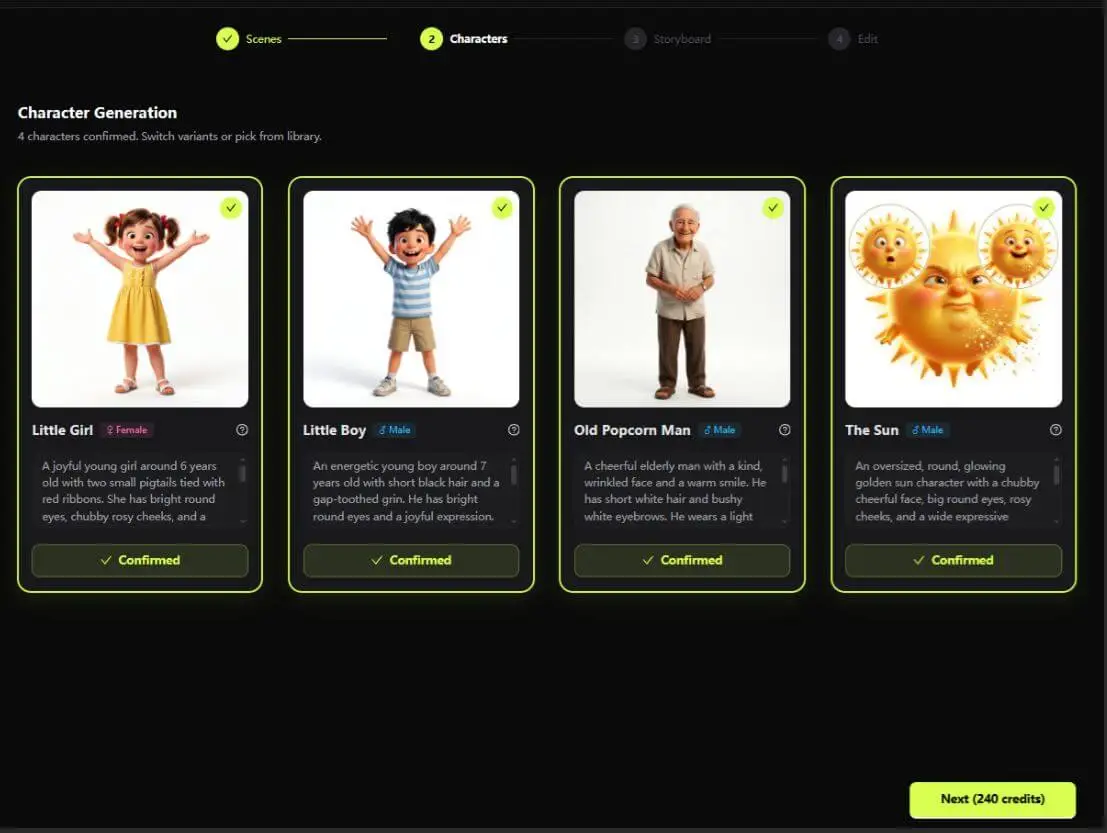
Step 3: Lock Your Dining Character
Pick an AI-generated child character or upload your own mascot. Character Lock keeps faces, outfits and proportions identical in every scene, so the same little boy appears at the sink, at the table and in the thank-you close — which is what lets a series feel like a series rather than nine unrelated clips.
Step 4: Review the Storyboard & Render
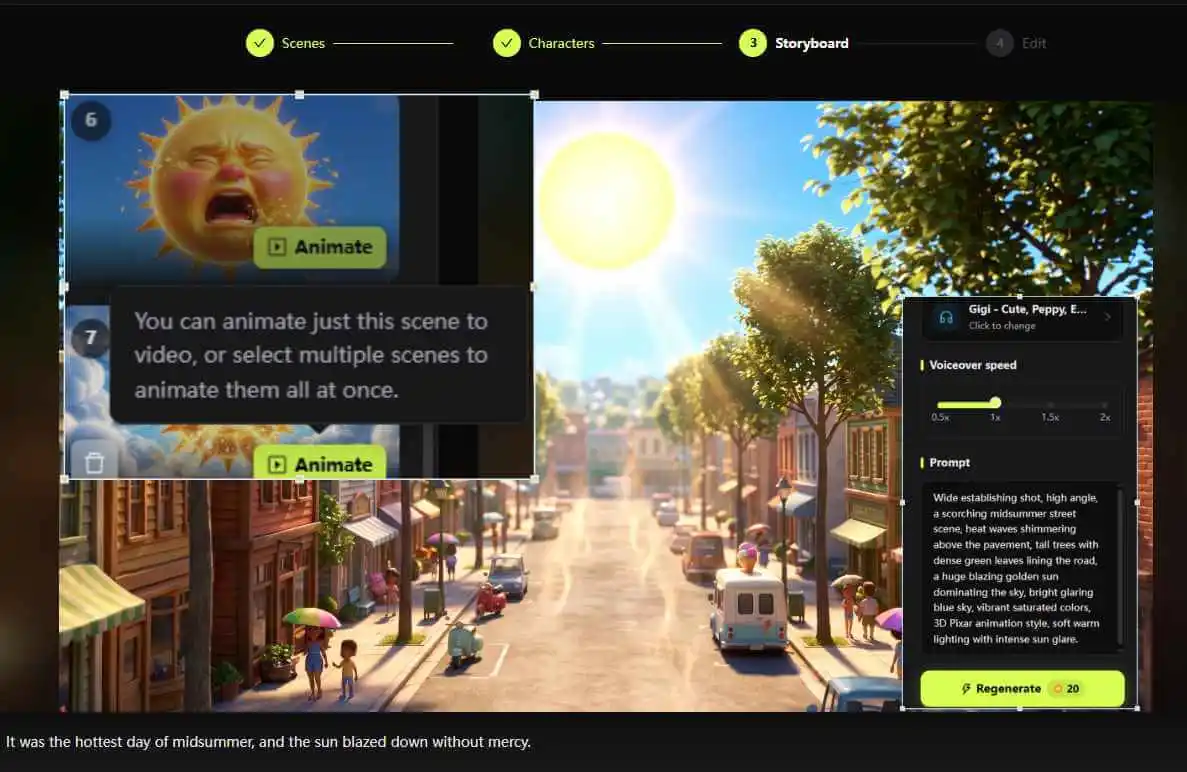
The platform returns an editable storyboard with voiceover and visuals already paired. Swap any panel you dislike, add sing-along subtitles, then render. A finished HD manners video takes about five minutes from idea to export.
Character Consistency & Low-Stimulation Visual Design
Two production details decide whether a manners video actually gets watched three times in a row — and three times in a row is the whole point, because repetition is what moves a rule from working memory into habit.
- Character Lock for series continuity: design the dining character once and reuse it across episodes — handwashing, fork and spoon, chewing quietly, saying thank you. Children attach to a familiar face, and a familiar face is what makes them press play again.
- Panel-level prompt editing: adjust one scene without breaking the flow. Need the character to point at the napkin instead of the plate? Edit that panel only and re-render.
- Low-stimulation pacing: steady 4–6 second scenes, no rapid cuts under 1.5 seconds, no flashing screens, soothing orchestral scoring. This follows Mayer's Cognitive Theory of Multimedia Learning, which predicts that reducing extraneous load leaves more attention for the lesson itself.
- COPPA-compliant child-safety filtering: lyrics and imagery are screened so a prompt never returns scary visuals or inappropriate language.
Workflow Comparison: KiVi AI 3D Cartoon Maker vs Generic AI Video Tools
Parents making one video for their own child and creators running a faceless kids YouTube channel need the same three things: speed, consistency and safety. Generic generators tend to break on all three.
- One prompt produces ready-to-sing lyrics and a full rhyme or story storyboard in about five minutes.
- Character Lock keeps the same child character identical across every scene and every episode.
- Low-stimulation 3D cartoon styling with watercolour and felt textures, built for ages 3–12.
- COPPA-compliant guardrails plus multilingual voiceover (Spanish, Arabic, French, German, Turkish) for bilingual families.
- Lyrics come back as clunky prose that does not rhyme or scan when sung.
- Character faces and outfits drift between panels, so the series looks stitched together.
- Hyper-saturated colours and fast cuts overstimulate rather than teach.
- No child-safety filtering, no subtitle or multilingual options, and no way to edit a single panel.
Frequently Asked Questions About Table Manners for Kids
Conclusion
Getting good table manners into a child’s daily life does not require more reminders — it requires a better delivery format. With a 3D cartoon maker that runs on a single prompt, a household rule becomes a rhyme the child sings while setting the table, and a story they ask to watch before dinner. Start with one rule, keep the character consistent, and let the series grow from handwashing to "thank you." The full sample library and prompt ideas live on the table manners for kids tool page — free to try, no editing skills needed.
Create Your Table Manners for Kids Video Today
Turn dining etiquette into sing-along rhymes and gentle 3D cartoon stories in minutes. Free to try, no credit card, COPPA compliant.