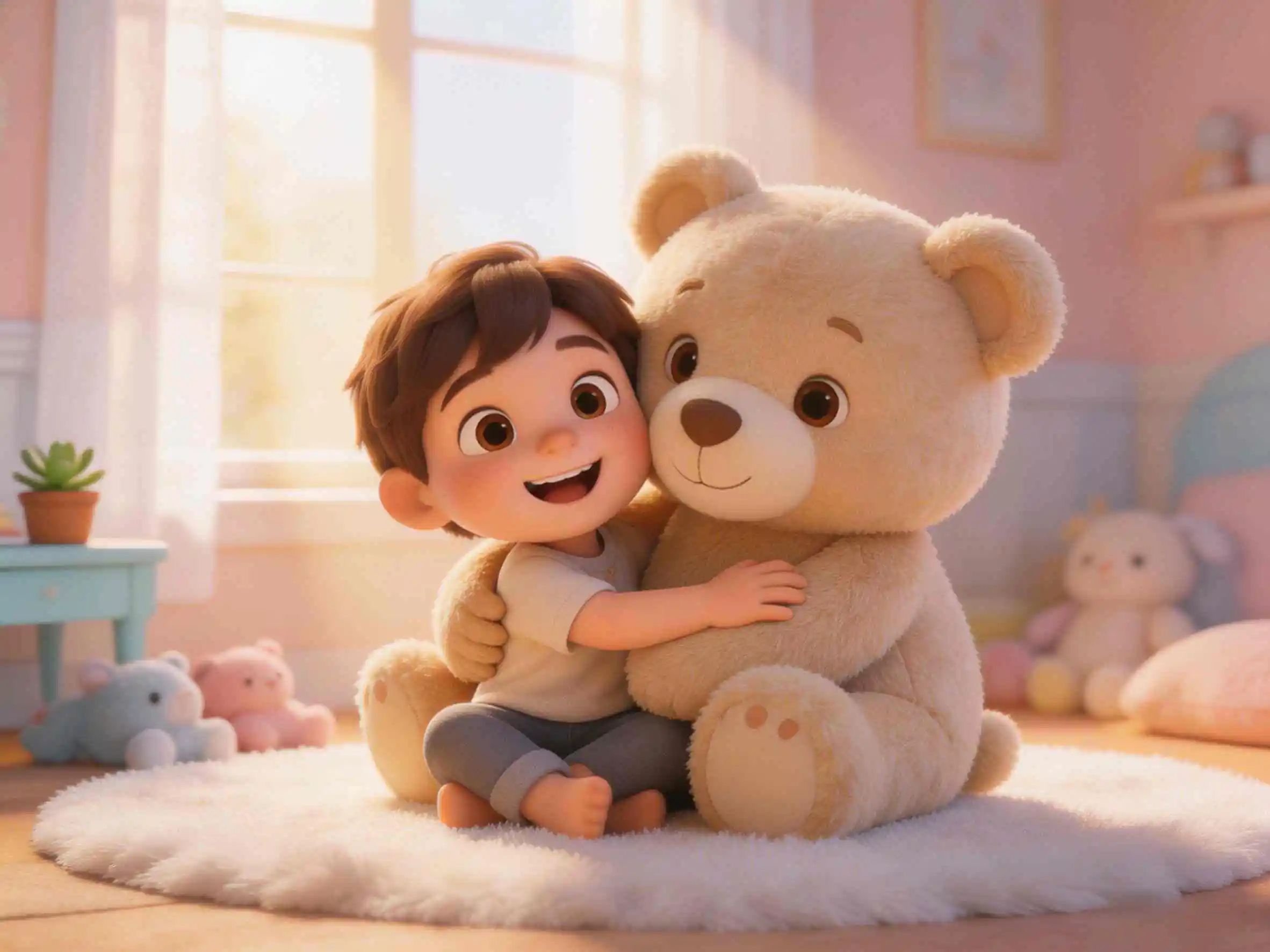
Quick Executive Summary: KiVi AI is a text-to-cartoon creation platform built for kids' content, educational stories, narration, subtitles, and video export into one workflow—helping creators move from a story idea to a polished draft without a traditional animation pipeline.
Building a children’s animation channel once meant coordinating illustrators, animators, voice actors, editors, and render time. Today, AI cartoon generators can make the first version of an episode much faster to create. The opportunity is not simply to publish more: it is to build memorable characters, tell age-appropriate stories, and keep a consistent creative process from one episode to the next.
What Is KiVi AI: An AI Cartoon Generator for Kids’ Videos
KiVi AI is an AI cartoon generator designed around a complete children’s-video workflow. Rather than starting with isolated images or very short clips, creators can begin with a prompt or script, develop a multi-scene story, establish recurring characters, add narration and audio, and export a finished video draft from one cloud-based workspace.
It is especially useful when the goal is a repeatable format: a bedtime-story channel, short educational lessons, character-led social videos, or a series with the same cast appearing across episodes. AI accelerates production, while the creator remains responsible for the story, the final edit, and the quality of what is published.
- Script and multi-scene storyboard generation
- Character and visual-style setup for recurring stories
- Voiceover, background audio, captions, and video rendering tools
- Landscape and vertical formats for different publishing destinations
Who Can Use an AI Cartoon Generator for Kids’ Content?
| Creator | Typical Goal | Useful Output |
|---|---|---|
| YouTube creators | Build a recognizable recurring series | Character-led episodes, nursery stories, and Shorts |
| Educators | Make a lesson easier to understand and remember | Alphabet, science, social-emotional learning, or safety micro-lessons |
| Parents & indie storytellers | Turn an original idea into a shareable story | Bedtime stories, family characters, and learning adventures |
| Children’s brands | Test ideas before a larger production investment | Concept pilots, explainers, and social-first character content |
The strongest use cases have a clear audience, a simple lesson or emotional arc, and a repeatable character concept. A tool can speed up production; a strong format is what gives viewers a reason to return.
What Kids’ Animated Videos Can You Create with AI?
- Story-led episodes: Original adventures with a beginning, challenge, resolution, and gentle takeaway.
- Animated micro-lessons: Short explanations covering foundational skills like English learning for toddlers and color recognition, fun science concepts, or engaging animated micro-lessons on everyday routines.
- Recurring character series: A familiar cast in new locations, helping a channel develop a recognizable identity.
- Vertical social videos: Bite-sized stories and learning moments tailored for mobile viewing.
How to Create Kids’ Animated Videos with AI in 4 Steps
Start with a clear story brief and Visual style
Enter a short prompt or paste a script. Include the viewer age, the main character, the setting, the challenge, and the lesson. For example: “a kind little fox learns to share a toy during a picnic in a magical forest.” Then choose your preferred aspect ratio, visual style, and voiceover.
Define the storyboard outline and cast
Review the generated storyboard outline before moving on—this is the easiest place to fix pacing and narrative structure. AI extracts main characters and provides concept art. Pick your favorite to maintain 100% consistency across all scenes.
Generate motion, narration, and audio
Generate the animated scenes and select the AI voiceover narration and music that match the intended mood. Listen closely to names, pronunciation, scene transitions, and the balance between voice and background music (BGM). Young viewers benefit from a calm pace and clear language.
Add captions, review, and export
Customize your subtitle size and style, select your preferred video quality, and export your masterpiece!
How to Write Prompts for an AI Cartoon Generator
A detailed AI prompt formula reduces revisions and gives the story a clearer identity. Use this simple structure:
Example prompt: “Eli is a little boy whose grandmother used to play the piano every evening. Since she got sick, the piano has been silent and the house feels empty. One afternoon Eli sits on the bench and presses one key — middle C. The note rings out clear and lonely. He presses another, then another, making up a simple tune that sounds like his grandmother's favorite song. His grandmother hears the music from her bedroom and slowly walks to the piano, her eyes shining. She sits beside Eli and together they play the melody she taught him when he was three. The music fills the house again, and Eli realizes that a melody is never really lost — it just waits for someone brave enough to play the first note.”
Tip: Focus on one central lesson per episode. Trying to teach kindness, counting, safety, and friendship all at once usually makes a short video feel rushed.
AI Cartoon Generator Example: Creating a Kids’ Learning Video
A sample video is more useful when viewers can see the creative decisions behind it. Here is a practical way to frame the “Flour Power” project as a repeatable AI Animation Generator workflow:
| Production choice | Example decision | Why it matters |
|---|---|---|
| Story goal | Turn a baking mishap into a simple problem-solving story | Gives every scene a clear purpose |
| Character brief | One recognizable lead character with repeatable colors and costume | Ensures character recognition across episodes |
| Scene plan | Setup → small problem → attempt → solution → warm ending | Keeps the pace understandable for young viewers |
| Final review | Check narration, scene continuity, captions, and audio levels | Turns an AI-generated draft into a monetizable video |
How to Make AI-Generated Kids’ Videos Ready for YouTube
Before publishing any kids' Animations on YouTube, complete a human quality review. This step protects the viewer experience and ensures compliance with YouTube Kids content policies.
- Story: Is the language age-appropriate, clear, and focused on one main learning objective?
- Visual continuity: Do characters, clothing, props, and backgrounds maintain 100% visual consistency across scenes?
- Audio quality: Are names pronounced correctly and is the voiceover narration easy to hear over background audio?
- Captions: Are subtitles accurate, readable, and perfectly timed to the speech?
- Rights and platform rules: Ensure compliance with COPPA guidelines, monetization policies, and commercial usage rights before uploading.
Frequently Asked Questions
Conclusion
KiVi AI helps turn a children’s-story idea into a structured kids animated videos with far less production overhead. The best results come from combining the speed of an AI cartoon generator with a thoughtful story brief, a consistent character system, and a careful human review before every upload.
Ready to Create Your First Animated Story?
Start with one character, one simple lesson, and one story your audience will want to revisit.